Anterior Cruciate Ligament (ACL) Tear
LegACL rupture
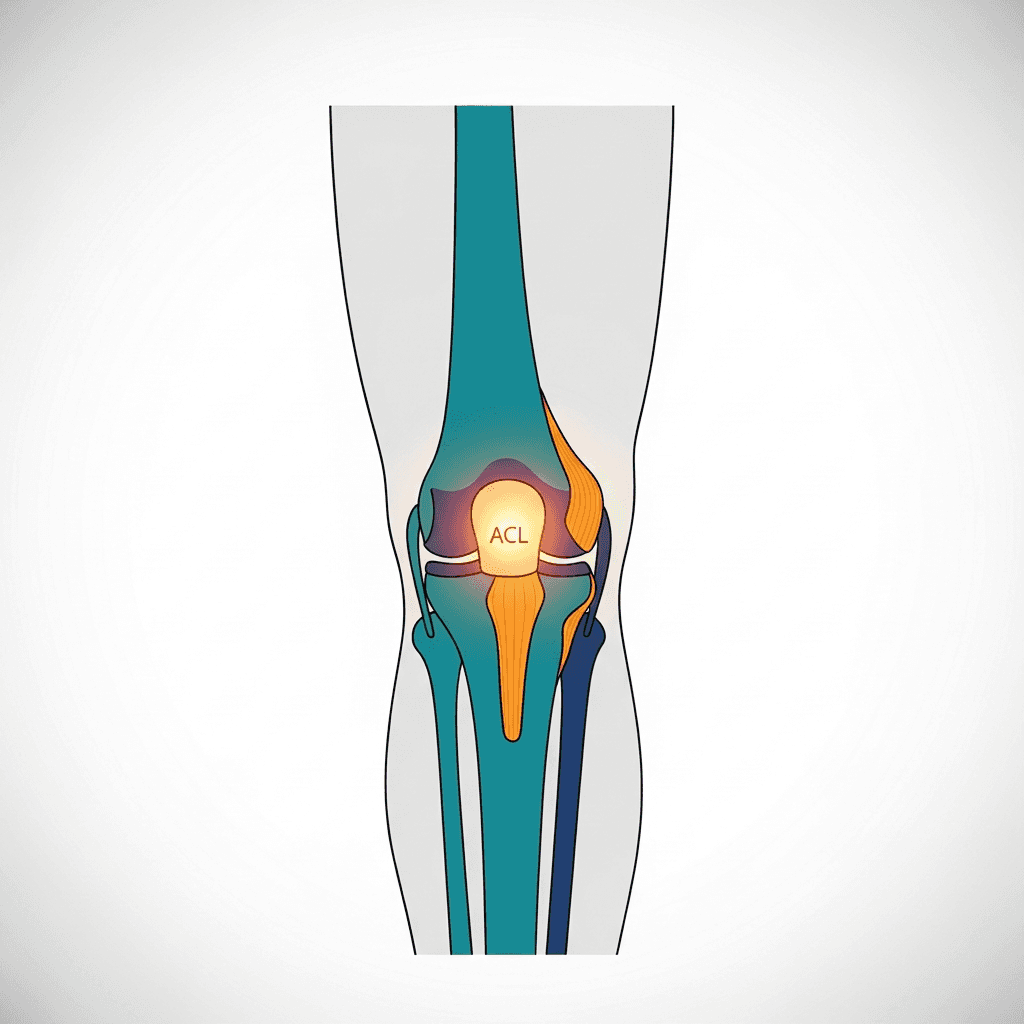
Key Facts
Typical Treatment
MRI imaging and diagnostic arthroscopy, ACL reconstruction surgery, Physical therapy and rehabilitation, Knee bracing and immobilization, Pain management and anti-inflammatory medications, Functional movement training
Recovery Timeline
6-12 months with surgical reconstruction, with most patients requiring 8-9 months for full recovery and return to activities
Common Accident Causes
Knees striking the dashboard during frontal impact, twisting forces on lower extremities during rollover accidents, and hyperextension from bracing against the floorboard.
How This Injury Happens
ACL tears in motor vehicle accidents typically result from sudden deceleration forces, dashboard impacts, or awkward knee positioning during collision. The anterior cruciate ligament can rupture when the knee experiences excessive forward movement of the tibia relative to the femur, or when the knee is forced into hyperextension or excessive rotation while bearing weight.
High-energy impacts common in car accidents create the rotational and hyperextension forces necessary to tear the ACL. Occupants may sustain ACL injuries when their knee strikes the dashboard, when their foot becomes trapped during vehicle deformation, or when sudden stops cause the body to be thrown forward while the leg remains fixed. The combination of these mechanisms often results in complete ACL ruptures requiring surgical intervention.
ACL tears frequently occur alongside other knee injuries, including meniscus tears and collateral ligament damage, creating complex injury patterns that require comprehensive evaluation and treatment. The severe forces involved in motor vehicle collisions often produce grade 2 or 3 ACL tears, which involve partial or complete ligament rupture respectively.
Common Symptoms
- Audible pop or popping sensation in knee (immediate)
- Severe knee pain and inability to bear weight (immediate)
- Rapid knee swelling within hours (immediate)
- Knee instability and giving way sensation (immediate)
- Loss of knee range of motion (immediate)
- Chronic knee instability during activities (delayed)
- Persistent anterior knee pain (gradual)
What Insurance Companies Will Try
- !Arguing pre-existing knee conditions caused the injury
- !Claiming the ACL tear resulted from post-accident activities rather than the collision
- !Disputing the need for surgical reconstruction versus conservative treatment
- !Suggesting degenerative changes rather than acute trauma
- !Minimizing functional limitations and return-to-activity restrictions
Treatment Options
ACL tear treatment depends on the severity of injury, patient age, and activity level, with most complete tears requiring surgical reconstruction. ACL reconstruction surgery involves replacing the torn ligament with a graft, typically taken from the patient's own tissue or donor tissue. The surgical procedure is usually performed arthroscopically, allowing for smaller incisions and potentially faster recovery.
Post-surgical rehabilitation is extensive and critical for successful outcomes, typically lasting 4-6 months with progressive phases focusing on range of motion, strength building, and functional movement patterns. Physical therapy begins within days of surgery with goals of achieving full knee extension, reducing swelling, and gradually rebuilding quadriceps strength. Patients typically require 2 weeks of crutch use and may need several months before returning to high-impact activities.
Non-surgical treatment may be considered for partial tears or in patients with lower activity demands, involving extensive physical therapy, bracing, and activity modification. However, untreated complete ACL tears often result in chronic knee instability, increased risk of additional knee injuries, and accelerated development of osteoarthritis, making surgical reconstruction the preferred treatment for most active individuals.
Potential Complications
Untreated or inadequately treated ACL tears can lead to significant long-term complications that impact quality of life and functional capacity. Chronic knee instability is the most immediate concern, as the knee may give way during routine activities, increasing the risk of falls and additional injuries to the meniscus, cartilage, and other knee structures. This instability often forces individuals to modify their lifestyle and avoid activities they previously enjoyed.
Secondary osteoarthritis frequently develops following ACL injuries, even with appropriate surgical treatment, though the risk is significantly higher without reconstruction. The altered biomechanics and potential for additional cartilage damage create a cascade of degenerative changes that can result in chronic pain and reduced function years after the initial injury. Studies indicate that individuals with ACL tears have a substantially increased risk of developing knee arthritis within 10-15 years.
Proper documentation and early treatment of ACL tears is crucial because delayed intervention can worsen outcomes and increase the complexity of required treatments. Insurance companies may attempt to attribute complications to delayed treatment rather than the original accident, making thorough medical documentation from the time of injury essential for protecting legal rights and ensuring appropriate compensation for both immediate and long-term care needs.