Ankle Injury
FootAnkle sprain
Key Facts
Typical Treatment
Emergency room evaluation and X-rays, Immobilization with boot or cast, Physical therapy and range-of-motion exercises, Anti-inflammatory medications, Orthopedic specialist consultation, Surgical repair for severe fractures
Recovery Timeline
2-6 months for sprains, 6-12 months for fractures with potential ongoing complications
Common Accident Causes
Feet braced against pedals or floorboard during frontal impact, floorboard intrusion in high-speed collisions, and twisting forces during vehicle rollovers or ejection.
How This Injury Happens
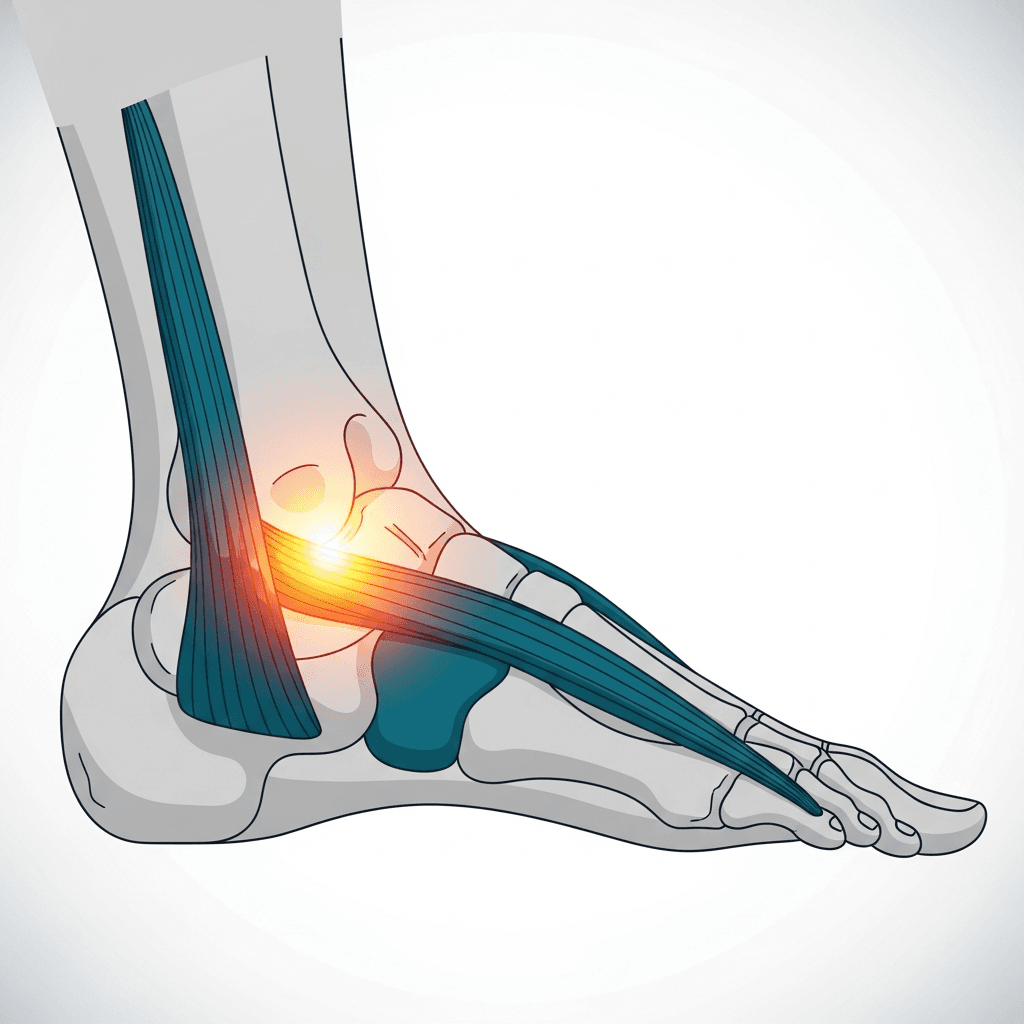
Ankle injuries in vehicle accidents typically occur when the foot and ankle are forced into unnatural positions during impact. The most common mechanism involves the ankle rolling inward (inversion), which can damage the lateral ligaments that provide stability to the joint. This commonly happens when drivers brace their feet against the brake pedal during collision or when the floor panel intrudes into the passenger compartment.
The severity of ankle injuries depends on the force of impact and the position of the foot at the time of collision. High-energy crashes can cause fractures to the ankle bones, while lower-impact accidents may result in ligament sprains. Passengers and drivers may also sustain ankle injuries when their feet are trapped under pedals or when they attempt to brace themselves during the collision sequence.
Common Symptoms
- Pain and tenderness (immediate)
- Swelling and bruising (immediate)
- Difficulty bearing weight (immediate)
- Ankle instability (delayed)
- Reduced range of motion (gradual)
- Chronic pain (delayed)
- Development of arthritis (delayed)
What Insurance Companies Will Try
- !Claiming pre-existing ankle weakness or arthritis
- !Arguing the injury was minor based on initial X-rays
- !Disputing the mechanism of injury in low-speed collisions
- !Challenging the need for extended physical therapy
- !Minimizing functional limitations from ankle instability
Treatment Options
Medical treatment for accident-related ankle injuries typically begins with emergency evaluation to rule out fractures through X-ray imaging. Healthcare providers may also order additional imaging of the leg and foot to identify related injuries that could affect treatment outcomes. Initial treatment commonly focuses on controlling pain and swelling through immobilization with boots, casts, or braces.
Physical therapy often begins within 24-48 hours for sprains to restore range of motion and prevent stiffness. Treatment protocols typically include progressive weight-bearing exercises and strengthening programs to restore ankle stability. Severe fractures may require surgical intervention with hardware placement, followed by extended rehabilitation periods. The treatment approach varies significantly based on the specific ligaments or bones involved and the overall severity of the injury.
Potential Complications
Untreated or improperly managed ankle injuries can lead to significant long-term complications that affect quality of life and earning capacity. Chronic ankle instability is a common consequence that increases the risk of repeated injuries and may require ongoing medical management. Poor bone healing in fracture cases can result in permanent joint deformity, chronic pain, and the development of post-traumatic arthritis.
These complications underscore the importance of thorough initial medical evaluation and consistent follow-up care. Insurance companies may attempt to minimize the long-term implications of ankle injuries, making comprehensive medical documentation crucial for protecting accident victims' rights. Early intervention and proper treatment significantly improve outcomes, but the potential for lasting impairment makes prompt legal consultation important for preserving future compensation options.