Bone Fracture
Soft TissueBroken bone
Key Facts
Typical Treatment
Emergency room evaluation and imaging, Casting or splinting for immobilization, Surgical reduction and internal fixation, Physical therapy and rehabilitation, Pain management medications, Follow-up orthopedic care
Recovery Timeline
6-8 weeks for simple fractures, 3-6 months for complex breaks requiring surgery, with some cases requiring 12+ months for full recovery
Common Accident Causes
High-force impacts during head-on and side-impact collisions, crushing forces from vehicle intrusion, and blunt trauma from airbag deployment or dashboard contact.
How This Injury Happens
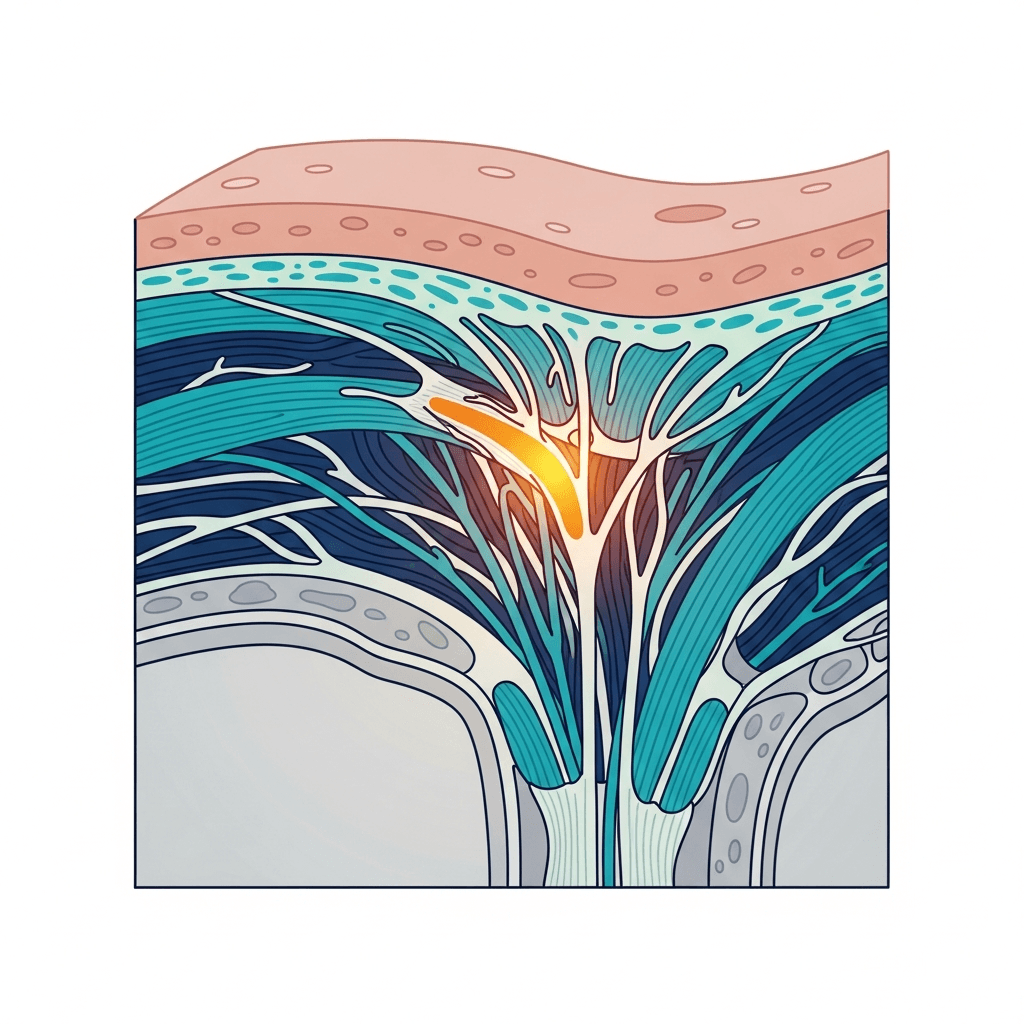
Bone fractures in vehicle accidents typically result from the tremendous forces generated during collision impact. The sudden deceleration, crushing forces, and direct trauma can cause bones to break when they exceed their structural limits. Common fracture patterns include dashboard impacts causing leg and hip fractures, steering wheel contact resulting in chest and arm breaks, and roof crush injuries leading to spinal fractures.
The severity of bone fractures often correlates with crash dynamics, including vehicle speed, angle of impact, and restraint system effectiveness. High-energy collisions frequently produce complex fracture patterns with multiple bone involvement, while lower-speed accidents may result in isolated breaks. The mechanism of injury plays a crucial role in determining treatment approaches and long-term prognosis for accident victims.
Common Symptoms
- Severe pain at injury site (immediate)
- Visible deformity or bone displacement (immediate)
- Inability to bear weight or use affected area (immediate)
- Swelling and bruising around fracture (immediate)
- Numbness or tingling in extremities (immediate)
- Chronic pain and stiffness (delayed)
- Limited range of motion (gradual)
What Insurance Companies Will Try
- !Claiming pre-existing bone disease or osteoporosis caused the fracture
- !Arguing the fracture was minor and should heal quickly without complications
- !Disputing the need for surgical intervention or extensive rehabilitation
- !Minimizing long-term disability claims by focusing on successful bone healing
- !Challenging the connection between the accident and delayed fracture complications
Treatment Options
Fracture treatment begins with emergency stabilization and comprehensive imaging to assess the extent of bone damage. Simple fractures may be managed with external immobilization using casts or splints, allowing natural bone healing over several weeks. The treatment approach depends on fracture location, displacement, and patient factors.
Complex fractures often require surgical intervention, including open reduction and internal fixation with plates, screws, or rods. Post-surgical care involves careful monitoring for complications, progressive rehabilitation, and gradual return to normal activities. Physical therapy plays a vital role in restoring strength, mobility, and function following fracture healing.
Potential Complications
Fracture complications can significantly impact long-term outcomes and quality of life for accident victims. Delayed union, nonunion, and malunion represent serious healing problems that may require additional surgical procedures. Infection, particularly with open fractures, can lead to chronic osteomyelitis and prolonged disability.
Other potential complications include compartment syndrome, avascular necrosis, and complex regional pain syndrome. These conditions can cause permanent functional limitations and chronic pain. Early medical documentation and appropriate specialist referrals are crucial for identifying complications and establishing their connection to the original accident injury.