Concussion (Mild Traumatic Brain Injury)
HeadMild Traumatic Brain Injury
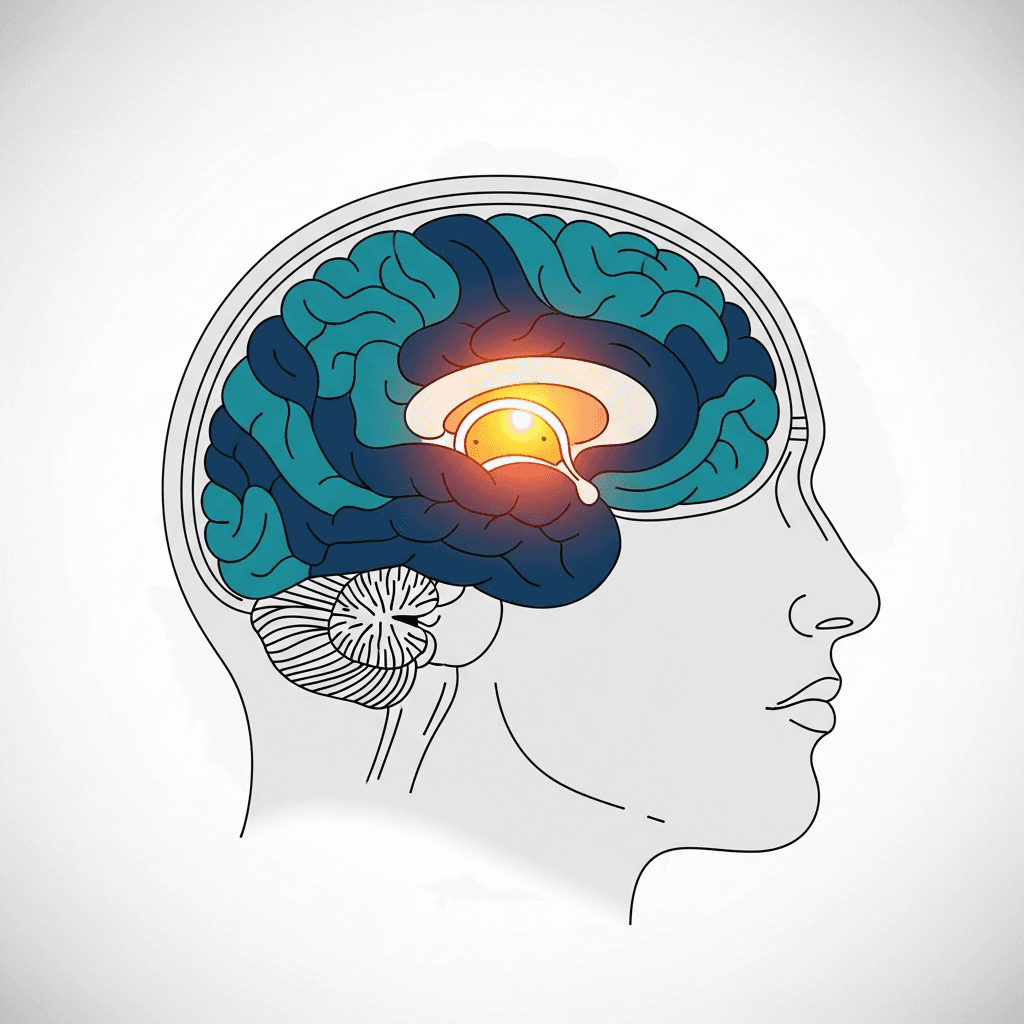
Key Facts
Typical Treatment
Neurological evaluation and imaging, Cognitive rest and activity modification, Physical therapy for balance and coordination, Occupational therapy for daily function, Neuropsychological testing, Symptom-specific medications
Recovery Timeline
Most recover within 2-4 weeks, though 10-50% experience prolonged symptoms lasting months or years
Common Accident Causes
Direct head impact with steering wheel, window, or headrest during collision; rapid deceleration forces causing the brain to strike the inner skull.
How This Injury Happens
Concussions in vehicle accidents typically result from rapid acceleration and deceleration forces that cause the brain to move within the skull. During a collision, occupants may experience direct impact to the head from airbags, windows, or interior surfaces, or indirect forces from whiplash-type motions. The sudden stopping or changing direction causes the brain to strike the interior walls of the skull, disrupting normal brain function.
Rear-end collisions frequently produce concussions even without direct head contact, as the violent back-and-forth motion can cause the brain to bounce within the skull cavity. Side-impact crashes and rollovers present additional risks due to rotational forces and potential contact with side windows or pillars. The severity of brain injury doesn't always correlate with visible vehicle damage, as even low-speed impacts can generate sufficient force to cause concussion symptoms.
Common Symptoms
- Headaches (immediate)
- Dizziness and balance problems (immediate)
- Memory problems and confusion (immediate)
- Nausea and vomiting (immediate)
- Sleep disturbances (delayed)
- Light and noise sensitivity (immediate)
- Mood changes and irritability (delayed)
What Insurance Companies Will Try
- !Arguing symptoms are pre-existing or unrelated to the accident
- !Claiming the impact was too minor to cause a concussion
- !Suggesting malingering or symptom exaggeration
- !Disputing the timeline between accident and symptom onset
- !Attributing symptoms to other medical conditions or stress
Treatment Options
Medical professionals typically begin concussion treatment with comprehensive neurological evaluation, which may include cognitive testing, balance assessments, and imaging studies like CT scans or MRIs to rule out more serious brain injuries. The traditional approach emphasizes cognitive and physical rest during the acute phase, followed by gradual return to activities as symptoms improve.
Treatment plans often incorporate multiple therapeutic approaches including physical therapy to address balance and coordination issues, occupational therapy to help with daily functioning, and specialized concussion rehabilitation programs. Healthcare providers may prescribe medications to manage specific symptoms like headaches or sleep disturbances. Neuropsychological testing helps assess cognitive function and guides return-to-work or school decisions. Treatment duration varies significantly, with some individuals requiring months or years of ongoing care for persistent symptoms.
Potential Complications
Post-concussion syndrome affects a significant percentage of concussion victims, with symptoms persisting weeks, months, or even years after the initial injury. These prolonged effects can include chronic headaches, cognitive difficulties, mood disorders, and sleep problems that substantially impact work performance, relationships, and quality of life. Some individuals develop increased sensitivity to subsequent head injuries, making future concussions more likely and potentially more severe.
Long-term complications may include persistent cognitive impairment affecting memory, concentration, and decision-making abilities. Emotional and behavioral changes such as depression, anxiety, and personality alterations can emerge weeks or months after the accident. Early documentation and consistent medical treatment are crucial for establishing the connection between the accident and ongoing symptoms, as delayed symptom onset can complicate legal claims. Proper medical records help demonstrate the injury's impact on daily functioning and support compensation for ongoing treatment needs and lost earning capacity.