Femur Fracture
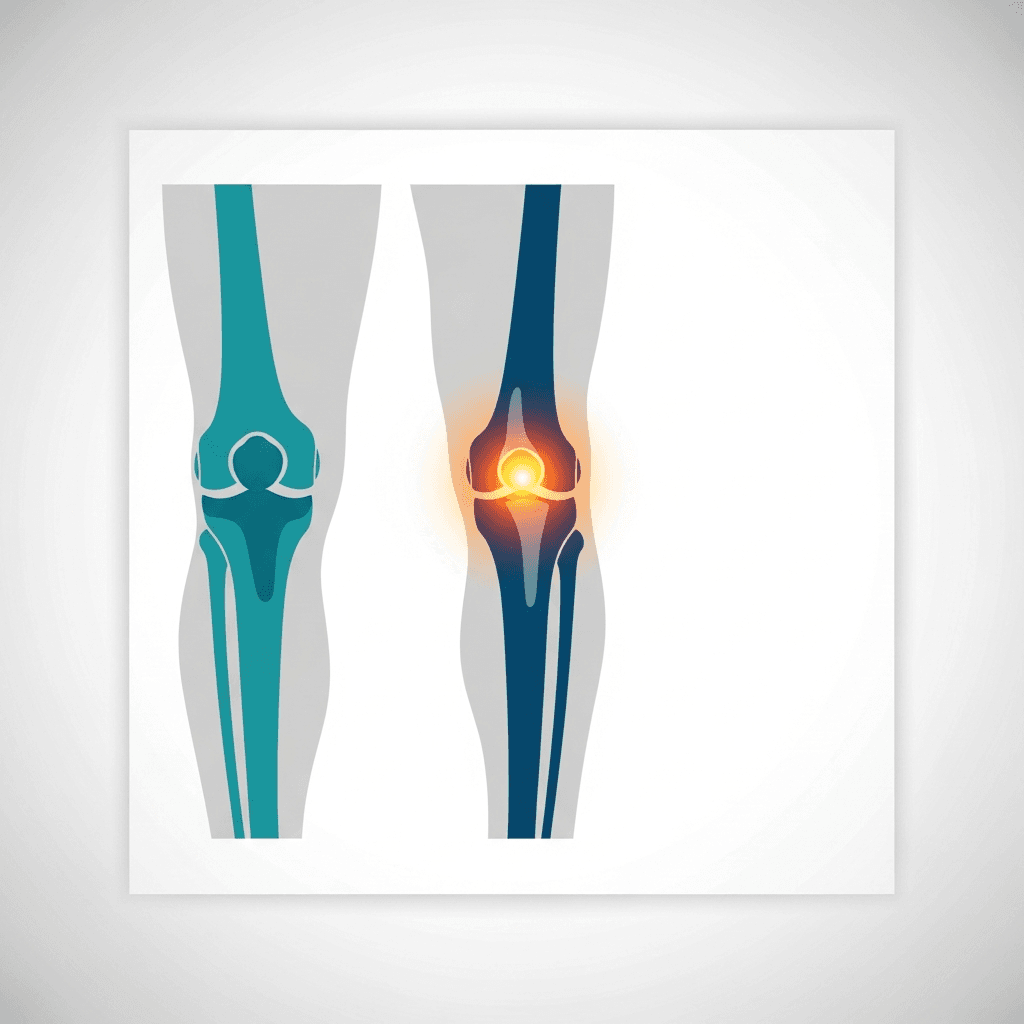
LegFractured femur
Key Facts
Typical Treatment
Emergency surgical repair with plates, screws, or rods, External fixation devices, Extensive physical therapy and rehabilitation, Pain management medications, Assistive devices like wheelchairs and crutches, Follow-up surgeries for complications
Recovery Timeline
12 weeks to 12 months, with many patients requiring 6-12 months for full recovery and return to normal activities
Common Accident Causes
Direct knee-to-dashboard impact during frontal collisions transmitting force along the thighbone; high-energy side impacts and pedestrian collisions involving bumper-height contact.
How This Injury Happens
Femur fractures in vehicle accidents typically occur during high-impact collisions where tremendous force is applied to the thighbone. In frontal crashes, occupants may experience dashboard impacts where the knee strikes the dashboard, transmitting force up through the femur. Side-impact collisions can cause femur fractures when the door intrudes into the passenger compartment, directly impacting the thigh area.
Pedestrians and motorcyclists face particularly high risks of femur fractures due to the lack of protective barriers during vehicle strikes. The femur's position as the body's longest bone makes it vulnerable to rotational and bending forces during the complex dynamics of accident impacts. Despite being the strongest bone in the body, the femur can fracture when subjected to forces exceeding its structural limits, which commonly occurs in serious motor vehicle accidents.
Common Symptoms
- Severe, immediate thigh pain (immediate)
- Inability to bear weight on the injured leg (immediate)
- Visible deformity or shortening of the leg (immediate)
- Swelling and bruising around the thigh (immediate)
- Muscle spasms in the thigh area (immediate)
- Chronic pain and stiffness (delayed)
- Limited range of motion in hip or knee (delayed)
What Insurance Companies Will Try
- !Arguing pre-existing bone conditions weakened the femur
- !Claiming the fracture severity is inconsistent with accident forces
- !Disputing the necessity of surgical intervention
- !Questioning whether complications were due to medical negligence rather than the accident
- !Minimizing long-term disability by emphasizing normal healing expectations
Treatment Options
Medical treatment for femur fractures almost always requires surgical intervention due to the bone's critical weight-bearing function and the surrounding muscle forces that can prevent proper healing. Surgeons typically perform procedures within 24-48 hours of the injury to realign bone fragments and secure them with internal fixation devices such as metal plates, screws, or intramedullary rods. External fixation may be used in cases with severe soft tissue damage or when the patient's condition requires stabilization before definitive surgery.
Post-surgical care involves extensive rehabilitation programs that can span several months. Physical therapy begins with range-of-motion exercises and gradually progresses to weight-bearing activities and strength training. Patients often require assistive devices like wheelchairs, walkers, or crutches during the recovery process. Pain management becomes a significant component of treatment, as femur fractures cause substantial discomfort that can persist throughout the healing period.
Potential Complications
Femur fractures can lead to serious long-term complications that may not become apparent until weeks or months after the initial injury. Surgical site infections can develop between 11-24 days post-operatively, potentially requiring additional surgeries and extended antibiotic treatment. Non-union or malunion of the bone fragments can occur, resulting in permanent deformity, leg length discrepancies, and chronic pain that may require corrective procedures.
Vascular injuries during the initial trauma can compromise blood flow to the leg, potentially leading to compartment syndrome or tissue death. Nerve damage may cause permanent numbness, weakness, or loss of function in the affected leg. Many patients experience ongoing mobility limitations, arthritis in adjacent joints, and chronic pain that affects their ability to work and participate in daily activities. Early and thorough medical documentation becomes crucial for establishing the full scope of these complications and their impact on the patient's life.
Delayed surgical treatment beyond 48 hours has been associated with increased mortality risks and poorer long-term outcomes, making prompt medical intervention and comprehensive documentation essential for both medical and legal purposes.