Herniated Disc
BackBulging disc
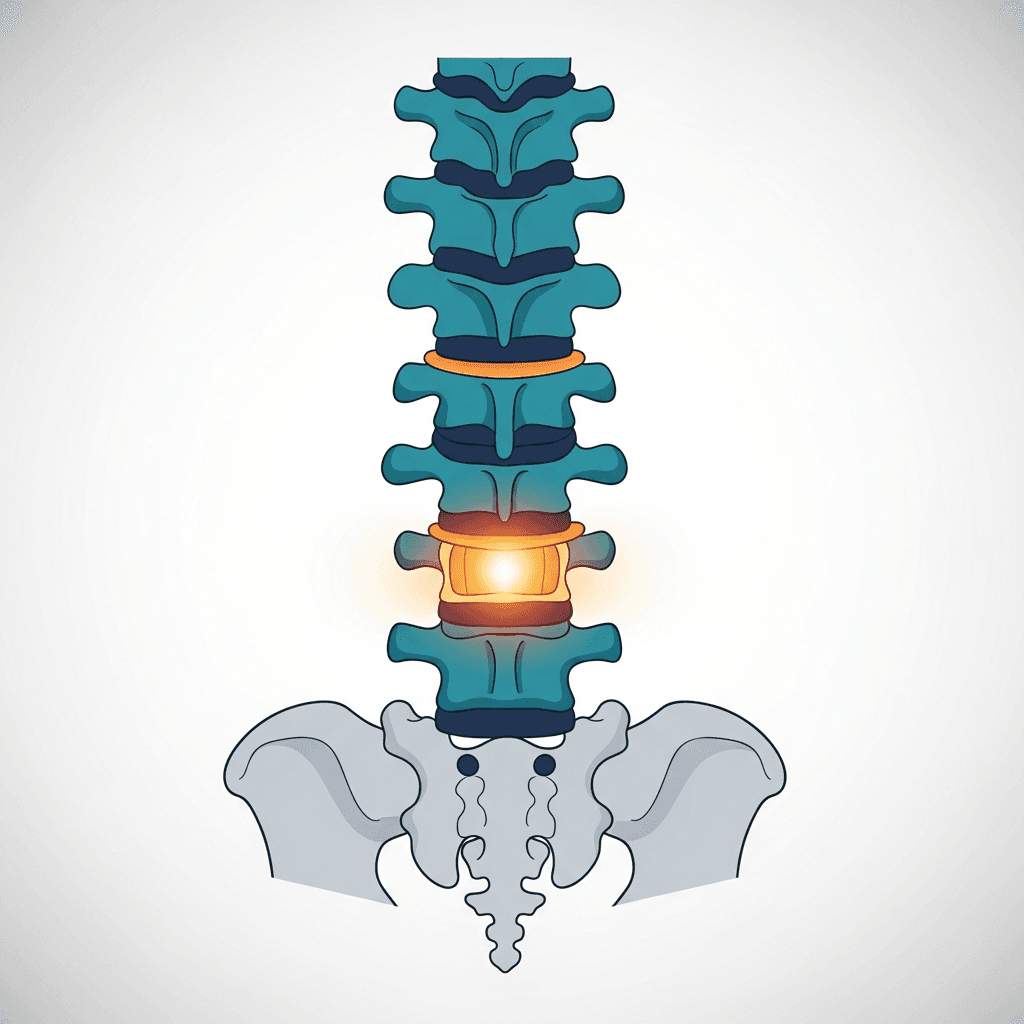
Key Facts
Typical Treatment
Physical therapy and rehabilitation, Pain management injections, Anti-inflammatory medications, Muscle relaxants, Chiropractic care, Surgical intervention such as discectomy or fusion
Recovery Timeline
4-6 weeks for minor cases with conservative treatment; 3-6 months for moderate cases; up to 12 months or longer for severe cases requiring surgery
Common Accident Causes
Compression and twisting forces during T-bone collisions, rear-end impacts, and rollover accidents that place extreme pressure on spinal discs.
How This Injury Happens
Herniated discs frequently occur in motor vehicle accidents due to the sudden, violent forces that compress and twist the spine. During rear-end collisions, the rapid acceleration and deceleration can cause the spine to hyperextend and then flex forcefully, creating pressure that may cause the disc's outer layer to tear or rupture. Side-impact crashes can generate rotational forces that stress the spine in unnatural directions, while frontal impacts may cause compression as occupants are thrown forward against restraints. The intervertebral discs, which act as shock absorbers between vertebrae, are particularly vulnerable to these sudden mechanical stresses. Even seemingly minor accidents can generate sufficient force to damage already weakened discs or create new herniations in previously healthy spinal structures.
Common Symptoms
- Back pain radiating to legs or arms (immediate)
- Numbness or tingling in extremities (delayed)
- Muscle weakness in affected limb (gradual)
- Sharp, shooting pain down the leg (sciatica) (immediate)
- Loss of bladder or bowel control (delayed)
- Difficulty walking or standing (gradual)
- Increased pain with coughing or sneezing (immediate)
What Insurance Companies Will Try
- !Claiming pre-existing degenerative disc disease
- !Arguing the herniation was age-related wear rather than trauma-induced
- !Disputing the connection between the accident and disc symptoms
- !Minimizing impact forces weren't sufficient to cause herniation
- !Challenging the need for extensive treatment or surgery
Treatment Options
Treatment for herniated discs typically begins with conservative approaches including rest, physical therapy, and pain management medications. Many accident victims benefit from anti-inflammatory drugs and muscle relaxants to reduce swelling and muscle spasms around the affected area. Physical therapy programs focus on strengthening supporting muscles and improving flexibility to reduce pressure on the herniated disc. When conservative treatments prove insufficient, medical providers may recommend epidural steroid injections to reduce inflammation around compressed nerve roots. In severe cases where nerve compression causes significant weakness or loss of function, surgical intervention such as discectomy, laminectomy, or spinal fusion may become necessary. The treatment approach often depends on the location of the herniation, severity of symptoms, and the patient's response to initial conservative care.
Potential Complications
Herniated discs can lead to chronic pain conditions that significantly impact quality of life and earning capacity. Progressive nerve damage may result in permanent weakness, numbness, or loss of function in affected limbs. Some accident victims develop chronic regional pain syndrome or ongoing radiculopathy that requires long-term pain management. Untreated severe herniations may progress to cauda equina syndrome, a medical emergency that can cause permanent neurological damage. The condition often leads to work restrictions, inability to perform physical activities, and ongoing medical expenses. Early documentation and treatment are crucial because delayed intervention may result in irreversible nerve damage and reduced treatment options. Insurance companies often challenge herniated disc claims by arguing they result from age-related degeneration rather than trauma, making prompt medical evaluation and clear documentation of the connection to the accident essential for protecting legal rights.