Internal Injuries
ChestInternal bleeding
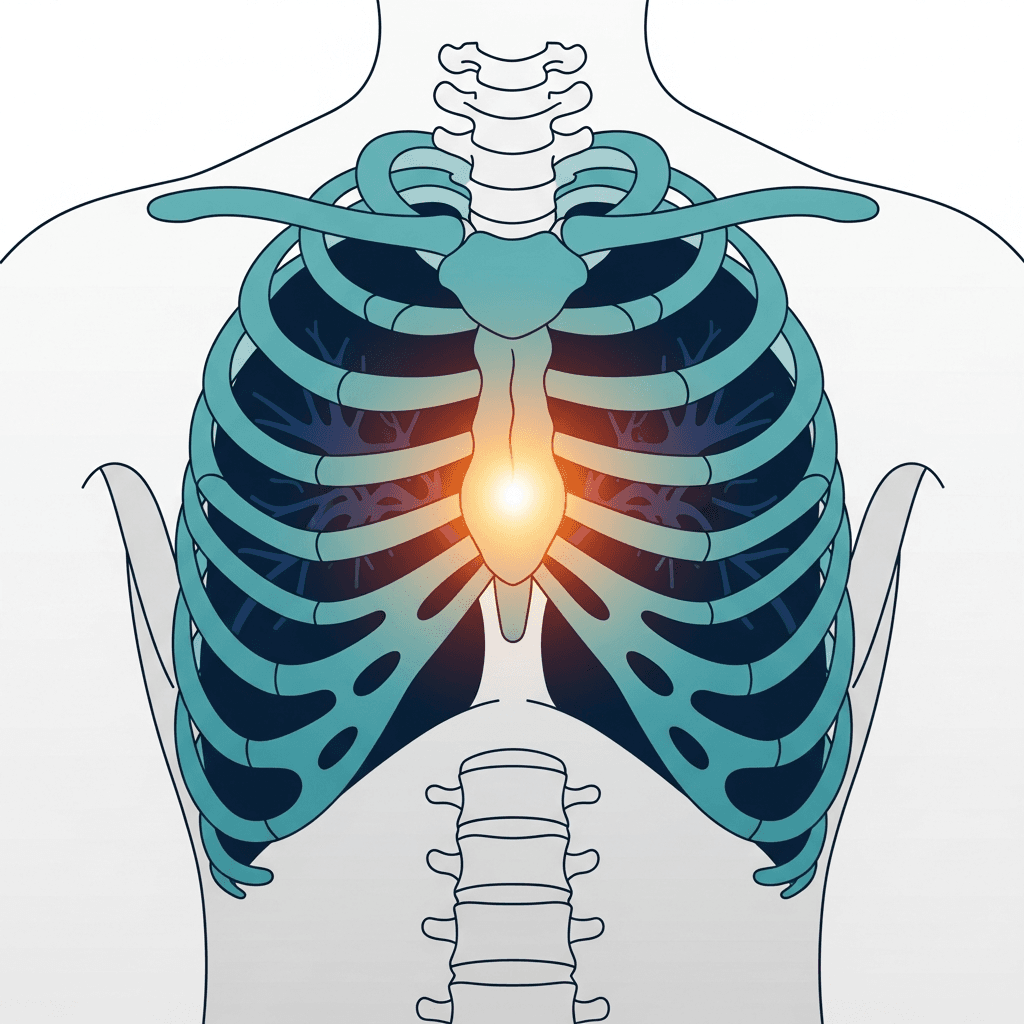
Key Facts
Typical Treatment
Emergency surgery, Blood transfusions, Intensive care monitoring, Minimally invasive procedures, Medication management, Extended hospitalization
Recovery Timeline
2-8 weeks for minor internal injuries, 6 months to 2+ years for severe organ damage requiring multiple surgeries
Common Accident Causes
Blunt force trauma from seatbelt compression, steering wheel impact, or vehicle intrusion causing damage to organs; rapid deceleration tearing internal tissue attachments.
How This Injury Happens
Internal injuries occur when sudden deceleration, impact forces, or crushing pressure damages organs, blood vessels, or internal tissues during vehicle accidents. The most common mechanisms include blunt force trauma from steering wheels, seat belts, or airbags striking the torso, as well as rapid acceleration and deceleration forces that cause organs to shift violently within body cavities.
In car accidents, internal injuries frequently affect the liver, spleen, kidneys, lungs, and blood vessels due to their proximity to impact zones and vulnerability to compression forces. The abdomen and chest are particularly susceptible because seat belts, while life-saving, can transmit tremendous forces to underlying organs during high-speed collisions or sudden stops.
Common Symptoms
- Severe abdominal pain (immediate)
- Signs of shock (rapid heartbeat, shallow breathing, cold clammy skin) (immediate)
- Internal bleeding symptoms (delayed)
- Nausea and vomiting (immediate)
- Dizziness and weakness (gradual)
- Difficulty breathing (immediate)
- Changes in urination or bowel movements (delayed)
What Insurance Companies Will Try
- !Arguing symptoms are unrelated to the accident due to delayed onset
- !Claiming pre-existing medical conditions caused the internal damage
- !Questioning the severity since injuries aren't visible externally
- !Disputing causation when symptoms appear days or weeks later
- !Minimizing impact by focusing on successful surgical outcomes
Treatment Options
Medical treatment for internal injuries typically begins with emergency stabilization, including IV fluids, blood pressure monitoring, and blood transfusions if significant bleeding occurs. Diagnostic imaging such as CT scans, ultrasounds, and X-rays help medical professionals identify the location and extent of internal damage. Some internal bleeding may stop naturally with careful monitoring, while severe cases require immediate surgical intervention.
Surgical treatments range from minimally invasive procedures to repair damaged blood vessels to major operations for organ trauma or removal. Recovery often involves extended hospitalization, intensive care monitoring, and gradual return to normal activities. The treatment approach depends on which organs are affected, the severity of bleeding, and the patient's overall condition and blood pressure stability.
Potential Complications
Long-term complications from internal injuries can include chronic pain, organ dysfunction, and increased risk of future medical problems. Delayed complications may not manifest for weeks or months after the initial trauma, making early documentation and ongoing medical monitoring crucial for accident victims. Some individuals develop adhesions, chronic bleeding disorders, or require additional surgeries as scar tissue forms.
The hidden nature of internal injuries makes them particularly challenging in legal cases, as symptoms may worsen over time or new complications may emerge well after the accident. Proper medical documentation from the time of injury through full recovery helps establish the connection between the accident and ongoing health issues, which is essential for fair compensation in personal injury claims.