Joint Dislocation
Soft TissueLuxation
Key Facts
Typical Treatment
Emergency reduction procedures, Immobilization with slings or braces, Physical therapy and rehabilitation, Pain management medications, Surgical repair for severe cases, Follow-up imaging studies
Recovery Timeline
6-12 weeks for simple dislocations, 3-6 months with complications or surgical intervention
Common Accident Causes
High-energy impacts forcing joints beyond their normal range of motion during collisions; shoulder contact with door panels, knee impact with dashboard, and ejection forces.
How This Injury Happens
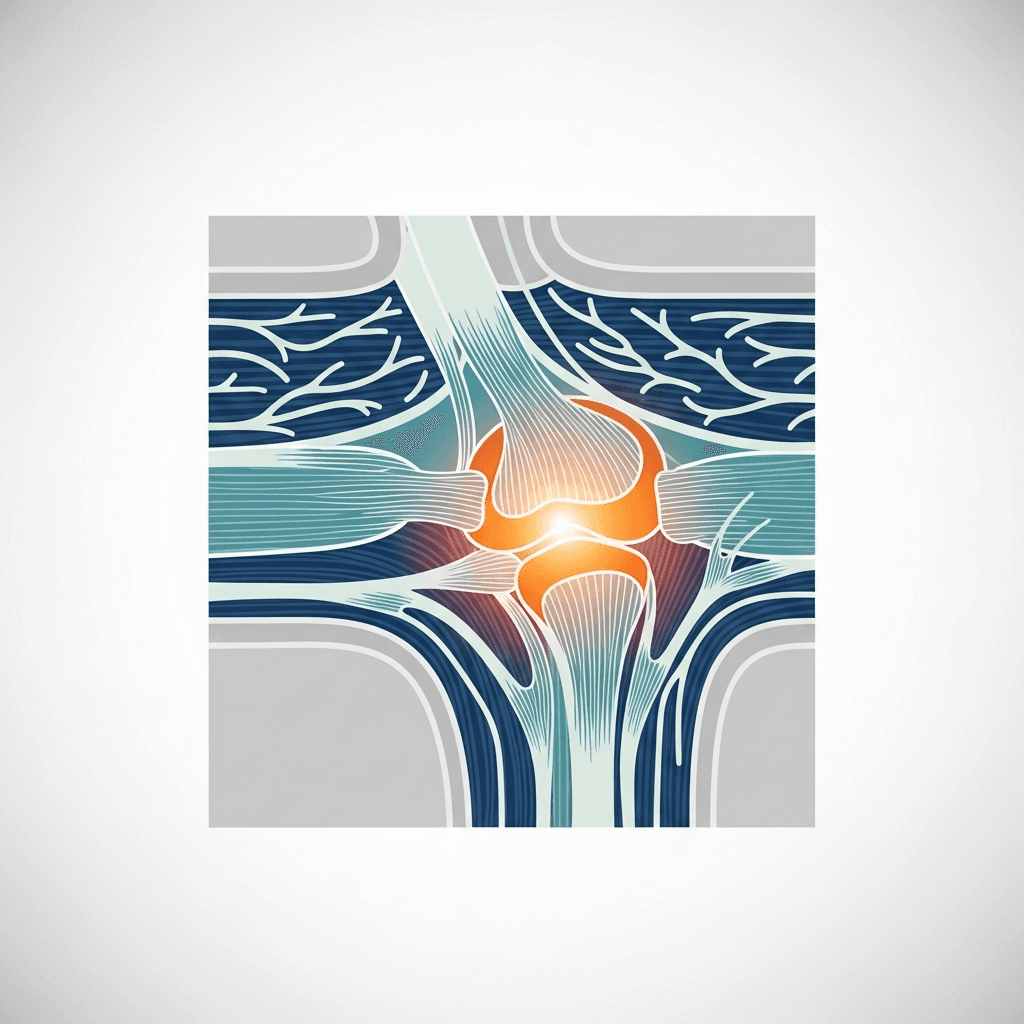
Joint dislocations in motor vehicle accidents typically result from sudden impact forces that exceed the joint's normal range of motion. The violent forces generated during collisions can cause bones to separate from their normal positions within the joint capsule, particularly affecting the shoulder, knee, and hip joints.
High-impact collisions often create multiple vectors of force that can simultaneously stress different joints throughout the body. Shoulder dislocations frequently occur when occupants brace for impact or are thrown against interior surfaces, while knee and hip dislocations may result from dashboard impact or awkward positioning during the collision sequence.
The severity of joint dislocation injuries depends on the collision's force, the occupant's position at impact, and whether safety restraints were properly used. These traumatic separations can damage surrounding ligaments, cartilage, and soft tissues, potentially leading to long-term joint instability and chronic complications that extend far beyond the initial injury.
Common Symptoms
- Severe joint pain (immediate)
- Visible joint deformity (immediate)
- Swelling around affected joint (immediate)
- Limited range of motion (immediate)
- Numbness or tingling (immediate)
- Bruising and discoloration (delayed)
- Joint instability (gradual)
What Insurance Companies Will Try
- !Arguing pre-existing joint conditions caused the dislocation
- !Claiming the injury occurred after the accident during daily activities
- !Disputing the severity by questioning imaging timing and interpretation
- !Minimizing treatment necessity by suggesting conservative care was sufficient
- !Attributing ongoing symptoms to unrelated degenerative joint disease
Treatment Options
Medical treatment for joint dislocations typically begins with emergency reduction procedures to restore proper bone alignment within the joint. Healthcare providers often perform closed reduction techniques, manually manipulating the bones back into their correct positions, though severe cases may require surgical intervention to address associated tissue damage.
Following reduction, immobilization becomes critical for proper healing, with patients commonly receiving slings, braces, or casts to prevent further joint movement during the initial recovery phase. Pain management protocols usually include prescription medications and anti-inflammatory drugs to control discomfort and reduce swelling that can impede the healing process.
Rehabilitation through physical therapy represents a crucial component of dislocation treatment, helping restore joint strength, flexibility, and normal range of motion. The therapy process typically progresses gradually from gentle range-of-motion exercises to strengthening protocols, with some patients requiring months of supervised rehabilitation to achieve optimal recovery outcomes.
Potential Complications
Joint dislocations can result in significant long-term complications that may not become apparent until weeks or months after the initial injury. Recurrent dislocation represents one of the most serious complications, particularly affecting shoulder joints where initial trauma can weaken surrounding ligaments and joint capsules, making future dislocations more likely to occur with minimal force.
Nerve and blood vessel damage frequently accompanies severe dislocations, potentially causing permanent numbness, weakness, or circulation problems in affected limbs. These complications can significantly impact a person's ability to perform daily activities and may require ongoing medical management or additional surgical interventions to address.
Chronic joint instability and post-traumatic arthritis often develop as delayed complications of dislocation injuries, leading to persistent pain, stiffness, and reduced function that can last for years. Early and comprehensive medical documentation becomes essential for establishing the connection between the accident and these progressive complications, particularly when symptoms worsen over time and affect the injured person's long-term quality of life and earning capacity.