Ligament and Tendon Tears
Soft TissueLigament rupture
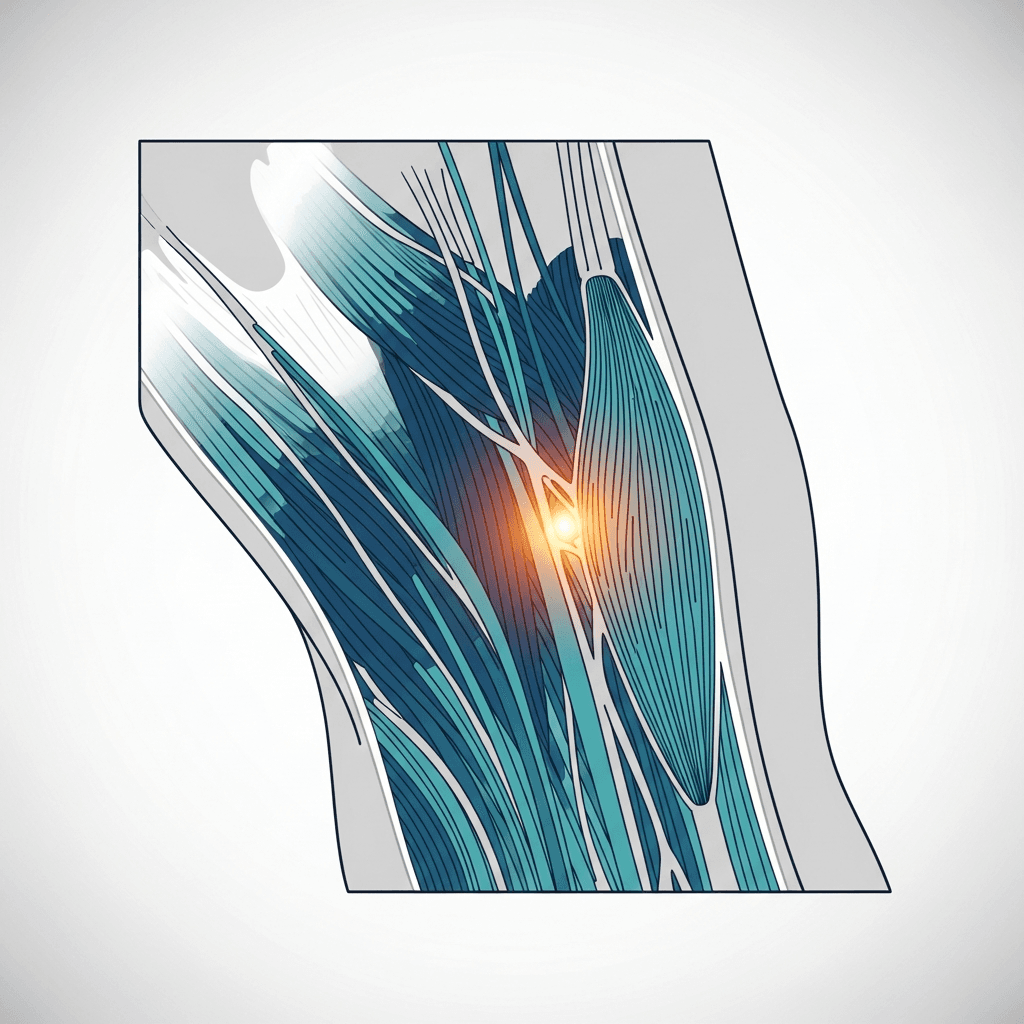
Key Facts
Typical Treatment
Physical therapy, Surgical repair or reconstruction, Immobilization with braces or casts, Anti-inflammatory medications, Arthroscopic procedures, Rehabilitation therapy
Recovery Timeline
4-6 weeks for minor tears without surgery; 3-6 months for surgical repairs; complete ruptures may require 12+ months
Common Accident Causes
Sudden deceleration and impact forces hyperextending or twisting joints beyond normal range; bracing injuries from gripping the steering wheel and lower extremity contact with pedals or dashboard.
How This Injury Happens
Ligament and tendon tears frequently occur in motor vehicle accidents when the body experiences sudden, forceful movements that exceed the normal range of motion. During impact, occupants may brace against the dashboard or steering wheel, twist their bodies to avoid collision, or experience whiplash-type motions that place extreme stress on soft tissues. The knee is particularly vulnerable in frontal collisions when the dashboard crushes the leg, potentially causing MCL or ACL tears.
Rear-end collisions can cause ligament tears in the neck, shoulder, and back as the body is thrown forward and backward rapidly. Side-impact crashes often result in tears to shoulder ligaments and tendons as occupants are thrown laterally against door frames or windows. Even minor accidents can cause significant soft tissue damage, as ligaments and tendons have limited elasticity and can tear when stretched beyond their capacity.
Common Symptoms
- Sharp or severe pain at injury site (immediate)
- Swelling and inflammation (immediate)
- Popping or clicking sensation (immediate)
- Inability to bear weight or use affected limb (immediate)
- Stiffness and reduced range of motion (delayed)
- Instability in affected joint (gradual)
- Chronic pain with activity (delayed)
What Insurance Companies Will Try
- !Arguing pre-existing degenerative conditions caused the tear
- !Claiming the tear resulted from normal aging rather than trauma
- !Questioning the severity based on delayed symptom onset
- !Suggesting alternative activities caused the injury
- !Minimizing functional impact by focusing on partial recovery
Treatment Options
Treatment for ligament and tendon tears varies significantly based on the location, severity, and grade of the injury. Grade 1 tears involving minor stretching typically heal with conservative treatment including rest, immobilization, and physical therapy over several weeks. Grade 2 partial tears often require more intensive rehabilitation and may need surgical intervention depending on the location and functional demands of the patient.
Grade 3 complete tears frequently require surgical repair or reconstruction, especially in weight-bearing joints or when multiple structures are damaged simultaneously. Arthroscopic surgery has become common for many ligament repairs, allowing for less invasive procedures with shorter recovery times. Post-surgical rehabilitation is crucial and typically involves months of progressive physical therapy to restore strength, flexibility, and function to the affected area.
Potential Complications
Untreated or inadequately treated ligament and tendon tears can lead to chronic instability, recurring injuries, and long-term disability. Joint instability from ligament tears may cause abnormal wear patterns leading to early arthritis and ongoing pain. Scar tissue formation can limit range of motion permanently, affecting work capacity and quality of life activities.
Early and accurate diagnosis is critical because delayed treatment often results in poorer outcomes and more complex surgical procedures. Some tears that could heal with conservative treatment when caught early may require surgery if left untreated. Documentation of the full extent of soft tissue damage immediately after an accident is essential, as insurance companies often dispute the severity of these injuries when symptoms develop gradually or worsen over time.