Nerve Injury
Soft TissuePeripheral nerve injury
Key Facts
Typical Treatment
Physical therapy and rehabilitation, Nerve conduction studies and EMG testing, Pain management and medication, Surgical nerve repair or grafting, Occupational therapy for functional adaptation, Nerve stimulation therapies
Recovery Timeline
6 months to 2+ years, with severe nerve injuries potentially requiring lifelong management
Common Accident Causes
Stretching, compression, or severing of nerves from violent jolting during collisions; crush injuries from vehicle deformation and traction forces on extremities.
How This Injury Happens
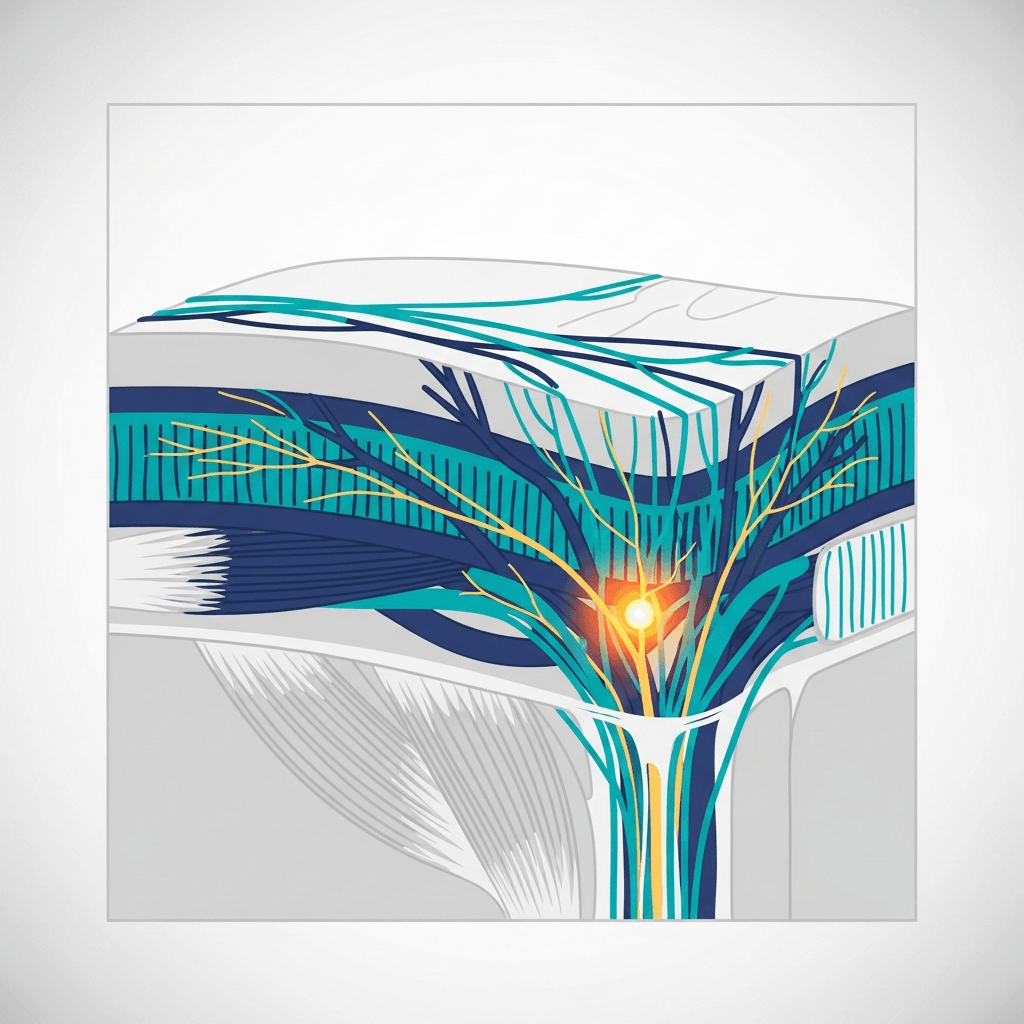
Nerve injuries in vehicle accidents typically result from severe impact forces that stretch, compress, or sever nerve pathways throughout the body. The sudden deceleration and directional changes during collisions can cause nerves to be torn from their attachment points or compressed by swelling tissues and fractured bones. High-energy crashes may directly damage nerve structures through penetrating trauma or crush injuries.
Peripheral nerves are particularly vulnerable in motor vehicle accidents because they travel through narrow spaces between bones, muscles, and other tissues. When accident forces cause these structures to shift or swell, nerves can become trapped or compressed, leading to inflammation and impaired function. The extremities are especially susceptible, as nerves in the arms and legs have longer pathways and multiple potential compression points during traumatic events.
Common Symptoms
- Sharp or burning pain (immediate)
- Numbness and tingling (immediate)
- Muscle weakness (delayed)
- Loss of sensation (gradual)
- Muscle atrophy (delayed)
- Hypersensitivity to touch (delayed)
- Complete loss of function (immediate)
What Insurance Companies Will Try
- !Arguing pre-existing neuropathy from diabetes or other conditions
- !Claiming nerve symptoms are subjective and unverifiable
- !Disputing causation between accident and nerve damage
- !Suggesting symptoms stem from normal aging processes
- !Minimizing functional impact on daily activities
Treatment Options
Medical professionals typically begin nerve injury treatment with comprehensive diagnostic testing, including nerve conduction studies and electromyography to assess the extent of damage and nerve function. These tests help determine whether the nerve injury involves temporary compression or more severe structural damage requiring different treatment approaches. Imaging studies may also be necessary to identify any anatomical factors contributing to nerve compression.
Treatment approaches vary significantly based on the type and severity of nerve damage. Conservative management often includes physical therapy to maintain muscle strength and prevent contractures, while pain management strategies address the chronic discomfort associated with nerve injuries. For severe nerve damage involving complete severance or significant structural disruption, surgical intervention may be necessary, including nerve repair, grafting, or transfer procedures. Recovery from nerve injuries typically requires extended rehabilitation periods, as nerve tissue heals slowly and may regenerate at rates of only 1-2 millimeters per day.
Potential Complications
Nerve injuries can lead to permanent functional impairments that significantly impact accident victims' quality of life and earning capacity. Chronic pain syndromes, including complex regional pain syndrome, may develop weeks or months after the initial injury, creating ongoing disability even when other accident-related injuries have healed. Muscle weakness and atrophy can become permanent if nerve regeneration is incomplete, potentially requiring lifelong accommodations in work and daily activities.
The delayed nature of many nerve injury complications makes early medical documentation crucial for legal claims. Symptoms may worsen over time as scar tissue forms around damaged nerves, or as compensatory movements create additional strain on uninjured nerve pathways. Some accident victims develop neuromas, painful nerve tissue growths that can cause debilitating symptoms requiring additional surgical intervention. The progressive nature of these complications underscores the importance of obtaining comprehensive medical evaluations soon after an accident, even when initial symptoms seem mild.