Post-Traumatic Stress Disorder (PTSD)
PsychologicalPosttraumatic Stress Disorder
Key Facts
Typical Treatment
Trauma-focused psychotherapy, Cognitive Processing Therapy, Prolonged Exposure Therapy, EMDR (Eye Movement Desensitization and Reprocessing), SSRI medications, Combination therapy approaches
Recovery Timeline
Varies significantly from months to years; approximately 40% recover within one year with proper treatment, though some experience ongoing symptoms requiring long-term care
Common Accident Causes
Psychological trauma from high-speed collisions, rollover accidents, or near-fatal crashes; witnessing serious injury or death of passengers or other motorists.
How This Injury Happens
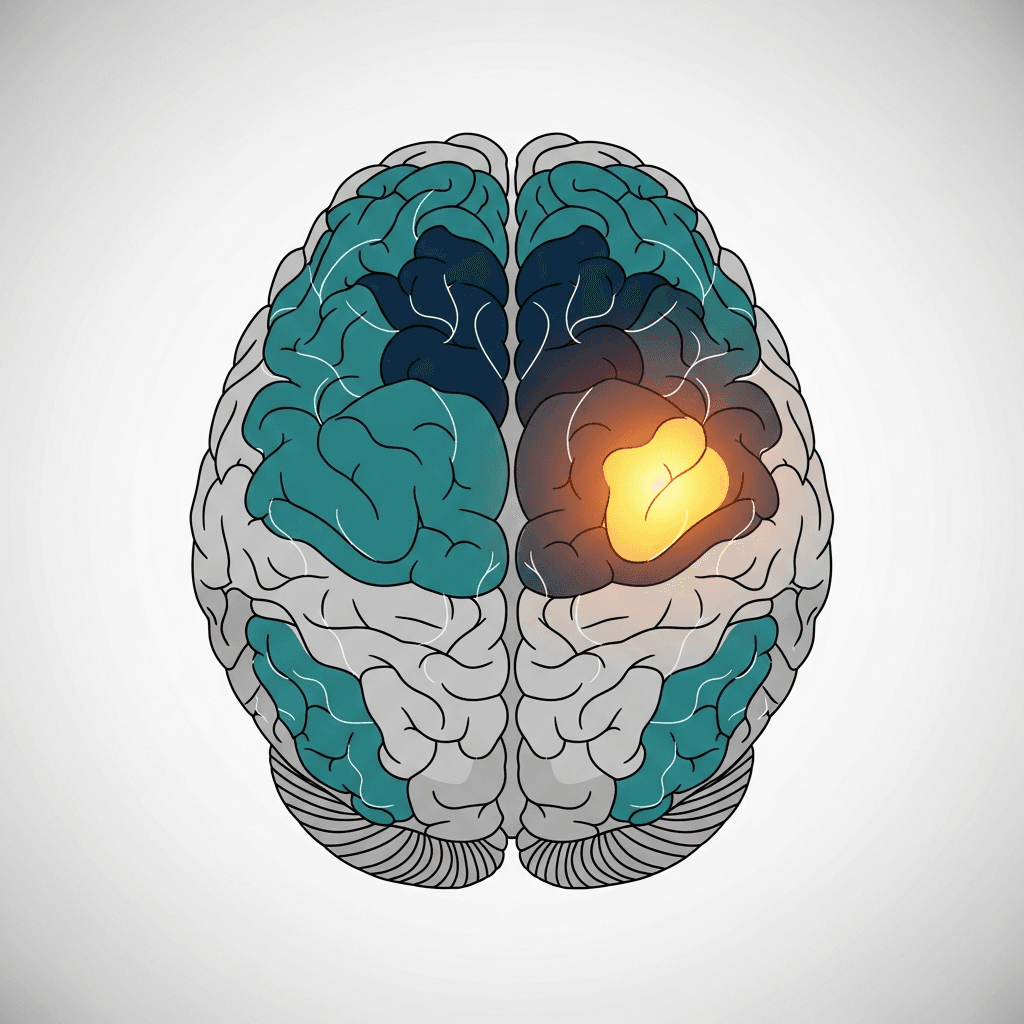
PTSD develops when accident victims experience overwhelming psychological trauma during a collision. The brain's natural stress response becomes dysregulated, creating lasting changes in how traumatic memories are processed and stored. High-impact accidents, near-death experiences, witnessing severe injuries to others, or feeling helpless during the collision commonly trigger PTSD development. The psychological impact often intensifies when victims experience physical injuries simultaneously, creating a complex trauma response. Modern understanding recognizes that PTSD can develop even in accidents without severe physical injuries, as the perceived threat to life and safety creates the traumatic psychological impact that leads to persistent symptoms.
Common Symptoms
- Intrusive memories and flashbacks of the accident (delayed)
- Avoidance of driving or accident locations (immediate)
- Hypervigilance while driving or as passenger (immediate)
- Sleep disturbances and nightmares (immediate)
- Emotional numbness and detachment (gradual)
- Panic attacks in vehicles or traffic (delayed)
- Depression and social withdrawal (gradual)
What Insurance Companies Will Try
- !Claiming pre-existing mental health conditions
- !Arguing PTSD was caused by non-accident related trauma
- !Disputing the severity or duration of symptoms
- !Questioning the connection between the accident and psychological symptoms
- !Challenging the credibility of mental health diagnoses
Treatment Options
PTSD treatment typically involves evidence-based psychotherapy approaches specifically designed for trauma recovery. Trauma-focused cognitive behavioral therapy helps accident victims process traumatic memories and develop healthy coping mechanisms. Prolonged exposure therapy gradually helps individuals confront trauma-related thoughts and situations in controlled therapeutic settings. EMDR therapy uses bilateral stimulation to help reprocess traumatic memories and reduce their emotional intensity. Many treatment plans combine psychotherapy with SSRI medications to address symptoms like depression, anxiety, and emotional numbness. Comprehensive treatment often includes family therapy and support groups to address the broader impact on relationships and daily functioning.
Potential Complications
Untreated PTSD can lead to chronic mental health complications that significantly impact quality of life and earning capacity. Many accident victims develop secondary conditions including major depression, panic disorder, and substance abuse as they attempt to self-medicate trauma symptoms. The condition can severely limit career advancement, relationship stability, and social functioning for years following the accident. Early documentation and treatment are crucial because delayed intervention often results in more complex, treatment-resistant symptoms. The economic impact extends beyond medical costs to include lost wages, reduced earning capacity, and the need for ongoing mental health support throughout recovery.