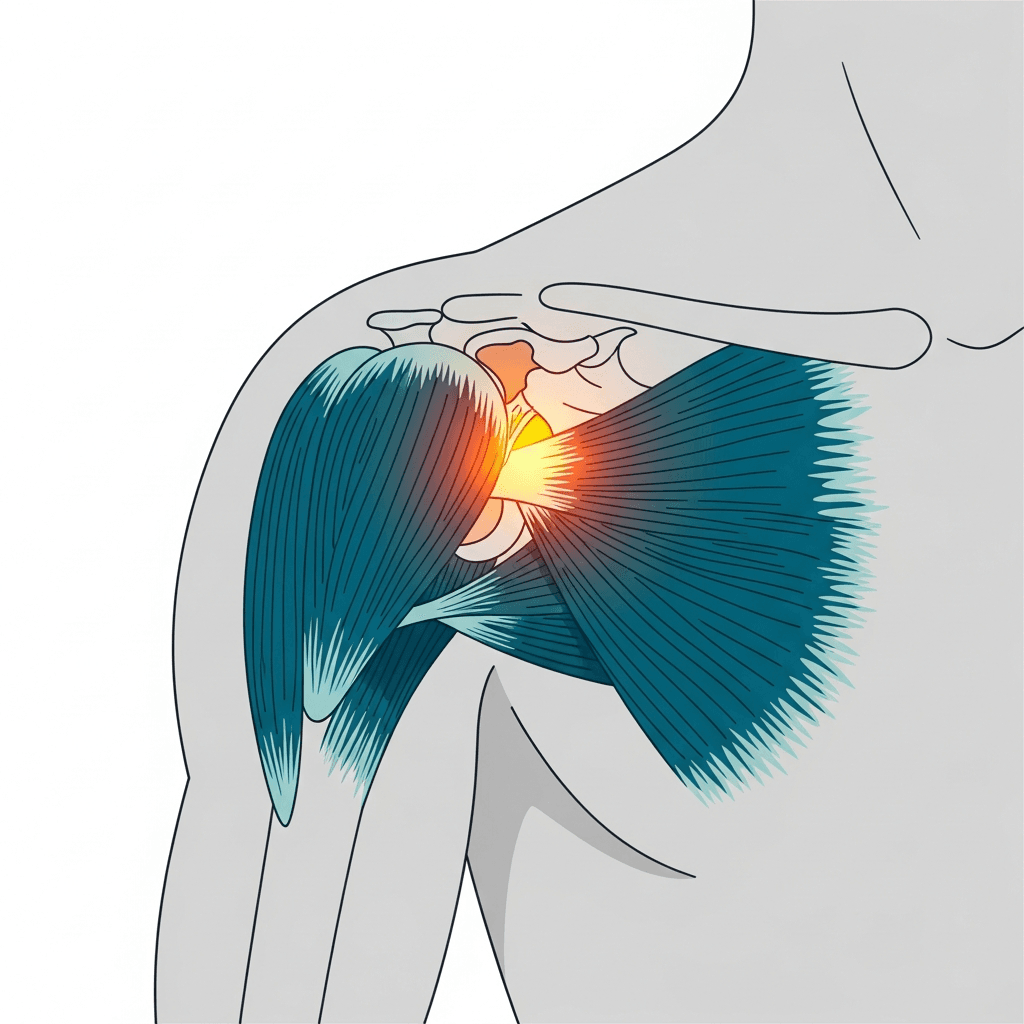
Rotator Cuff Tear
ShoulderRotator cuff rupture
Key Facts
Typical Treatment
Rest and activity modification, Physical therapy and rehabilitation, Nonsteroidal anti-inflammatory medications, Corticosteroid injections, Arthroscopic rotator cuff repair surgery, Open surgical repair for complex tears
Recovery Timeline
3-6 months for conservative treatment, 12-18 months with surgical repair including rehabilitation
Common Accident Causes
Hands gripping the steering wheel during side or frontal impact transmitting force through the arms to the shoulder; direct shoulder contact with door panel or window.
How This Injury Happens
Rotator cuff tears in motor vehicle accidents typically result from sudden, forceful movements or direct trauma to the shoulder. The violent forces experienced during a collision can cause the arm to be thrown against the door, dashboard, or steering wheel, creating excessive stress on the rotator cuff tendons. Side-impact collisions are particularly notorious for causing these injuries, as occupants may brace themselves with their arms or experience lateral forces that overstretch the shoulder structures.
The rotator cuff consists of four muscles and their tendons that work together to stabilize the shoulder joint and enable arm movement. When these structures are subjected to forces beyond their normal capacity, the tendon fibers can partially or completely tear. Accident victims may experience an immediate 'pop' sensation followed by severe pain and weakness, though some tears may not become symptomatic until hours or days after the collision.
Age and pre-existing degenerative changes can make individuals more susceptible to rotator cuff injuries during accidents, but acute trauma from a motor vehicle collision can cause tears even in healthy shoulders. The combination of impact forces, sudden deceleration, and protective reflexes creates a perfect storm for rotator cuff damage in crash scenarios.
Common Symptoms
- Shoulder pain and weakness (immediate)
- Decreased range of motion (immediate)
- Pain when lifting arm overhead (immediate)
- Night pain disrupting sleep (delayed)
- Audible popping at time of injury (immediate)
- Muscle atrophy in shoulder area (gradual)
- Inability to reach behind back (immediate)
What Insurance Companies Will Try
- !Claiming pre-existing degenerative changes due to age
- !Arguing the tear resulted from wear and tear rather than acute trauma
- !Questioning whether a specific 'pop' or moment of injury occurred
- !Suggesting the injury developed gradually over time
- !Minimizing the connection between the accident and shoulder symptoms
Treatment Options
Treatment for rotator cuff tears typically begins with conservative management approaches. Medical providers often recommend rest, ice application, and nonsteroidal anti-inflammatory drugs to reduce pain and swelling. Activity modification plays a crucial role in early treatment, as continued use of the injured shoulder can worsen the tear and delay healing. Physical therapy becomes essential once acute symptoms subside, focusing on restoring range of motion and gradually rebuilding shoulder strength.
When conservative treatment fails to provide adequate relief or functional improvement, surgical intervention may become necessary. Arthroscopic rotator cuff repair has become the gold standard for many tears, allowing surgeons to reattach torn tendons through minimally invasive techniques. More complex or massive tears may require open surgical repair, which involves larger incisions but provides better access for extensive reconstruction.
Post-surgical recovery involves a carefully structured rehabilitation program that can extend 12-18 months. Patients typically wear a sling for several weeks to protect the repair, followed by progressive physical therapy phases. The recovery process requires patience and compliance with medical recommendations, as rushing back to normal activities can result in re-tearing of the repaired structures.
Potential Complications
Untreated or inadequately treated rotator cuff tears can lead to significant long-term complications that substantially impact quality of life. Chronic pain and progressive weakness often develop when tears are left unaddressed, making everyday activities like reaching overhead, carrying objects, or sleeping on the affected side extremely difficult. The shoulder joint may develop secondary arthritis as the torn rotator cuff fails to properly center the humeral head in the socket, leading to abnormal wear patterns.
Even with appropriate treatment, complications can arise that affect the ultimate outcome. Surgical repairs carry risks of infection, nerve injury, and stiffness that may require additional interventions. Re-tearing of repaired tendons occurs in a percentage of cases, particularly in older patients or those with larger initial tears. Some individuals develop frozen shoulder syndrome, characterized by severe stiffness and pain that can persist for months.
Early and accurate documentation of rotator cuff injuries becomes crucial for legal claims, as insurance companies often argue that shoulder problems result from age-related degeneration rather than accident trauma. Medical records showing a clear timeline from accident to symptoms, along with imaging studies demonstrating acute changes, help establish the causal relationship between the collision and the injury. Prompt medical evaluation and consistent treatment also demonstrate the severity and impact of the injury on the victim's daily functioning.