Shoulder Injury
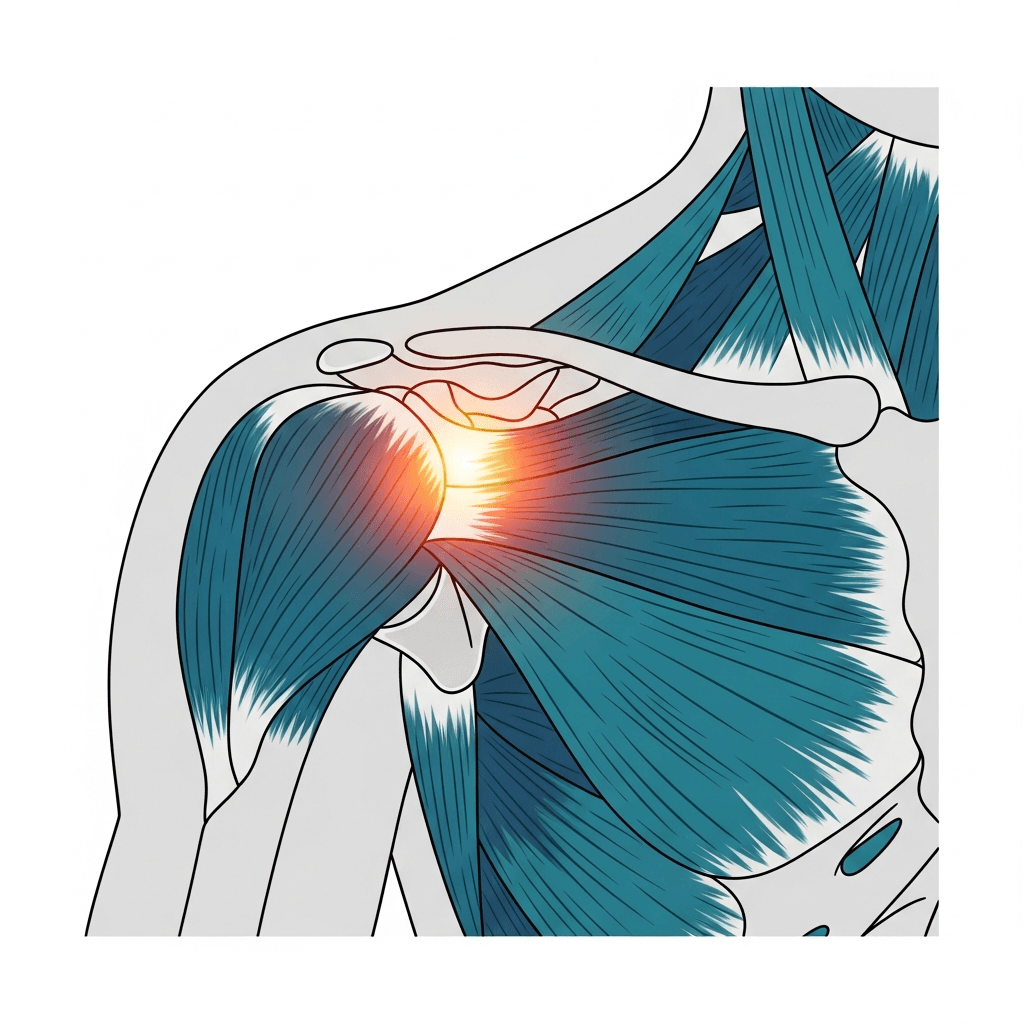
ShoulderGlenohumeral joint injury
Key Facts
Typical Treatment
Emergency room evaluation and imaging, Orthopedic specialist consultation, Physical therapy and rehabilitation, Anti-inflammatory medications and pain management, Arthroscopic surgery or shoulder repair, Shoulder replacement surgery in severe cases
Recovery Timeline
3-6 months for minor injuries, 6-12 months for surgical cases, with some requiring ongoing therapy
Common Accident Causes
Seatbelt loading across the shoulder during sudden deceleration, direct lateral impact with door panel, and bracing forces transmitted through outstretched arms gripping the steering wheel.
How This Injury Happens
Shoulder injuries occur in vehicle accidents through multiple mechanisms. The most common cause is the sudden impact during collision, where occupants brace against the steering wheel, dashboard, or door frame, transmitting excessive force through the shoulder joint. The shoulder's complex ball-and-socket structure makes it vulnerable to dislocation when twisted or compressed beyond normal limits.
Seatbelt placement across the shoulder can also contribute to injury during rapid deceleration. While seatbelts save lives, the restraint force concentrated on the shoulder area can cause soft tissue damage, particularly to the rotator cuff muscles and tendons. Side-impact collisions frequently result in shoulder injuries as occupants are thrown laterally, causing the shoulder to strike the door or window.
The shoulder joint's extensive range of motion, while beneficial for daily activities, creates instability during traumatic events. Accident victims may experience immediate dislocation or develop gradual onset injuries as inflammation and swelling affect the surrounding tissues in the days following the collision.
Common Symptoms
- Sharp pain in shoulder joint (immediate)
- Limited range of motion (immediate)
- Weakness in affected arm (immediate)
- Stiffness and reduced mobility (delayed)
- Pain radiating to neck or back (gradual)
- Numbness or tingling in arm (delayed)
- Grinding or clicking sounds (gradual)
What Insurance Companies Will Try
- !Arguing pre-existing arthritis or degenerative conditions caused symptoms
- !Claiming shoulder pain is related to age-related wear rather than accident trauma
- !Disputing the need for surgical intervention or extensive physical therapy
- !Suggesting delayed symptom reporting indicates non-accident related injury
- !Challenging the connection between minor vehicle damage and shoulder injury severity
Treatment Options
Medical treatment for accident-related shoulder injuries typically begins with emergency evaluation to assess the extent of damage. Healthcare providers commonly order X-rays, MRIs, or CT scans to identify fractures, dislocations, or soft tissue tears. Initial treatment often focuses on pain management and immobilization using slings or braces to prevent further injury while tissues begin healing.
Conservative treatment approaches include physical therapy to restore range of motion and strengthen supporting muscles. Many accident victims work with orthopedic specialists who design rehabilitation programs targeting specific shoulder structures affected by the trauma. Anti-inflammatory medications and corticosteroid injections may be utilized to reduce swelling and manage pain during recovery.
Surgical intervention becomes necessary when conservative treatments fail to restore function or when structural damage requires repair. Arthroscopic procedures allow surgeons to address rotator cuff tears, remove damaged tissue, or repair labral injuries through minimally invasive techniques. Severe cases involving fractures or complete joint destruction may require shoulder replacement surgery, followed by extensive rehabilitation programs lasting several months.
Potential Complications
Long-term complications from accident-related shoulder injuries can significantly impact quality of life and earning capacity. Frozen shoulder syndrome may develop weeks or months after the initial injury, causing severe stiffness and chronic pain that limits daily activities. Without proper treatment documentation, insurance companies often dispute the connection between accidents and these delayed complications.
Chronic pain and reduced range of motion frequently persist even after treatment, affecting accident victims' ability to perform job duties or participate in recreational activities. Rotator cuff tears that heal improperly may require additional surgical procedures, creating ongoing medical expenses and extended recovery periods. Some individuals develop compensatory movement patterns that lead to secondary injuries in the neck, back, or opposite shoulder.
Early and comprehensive medical documentation proves crucial for establishing the full extent of shoulder injury impacts. Delayed treatment or inadequate initial care can worsen outcomes and complicate legal claims. Progressive joint deterioration may occur over time, particularly when underlying structural damage remains untreated, potentially requiring shoulder replacement surgery years after the original accident.