Spinal Cord Injury
BackSCI
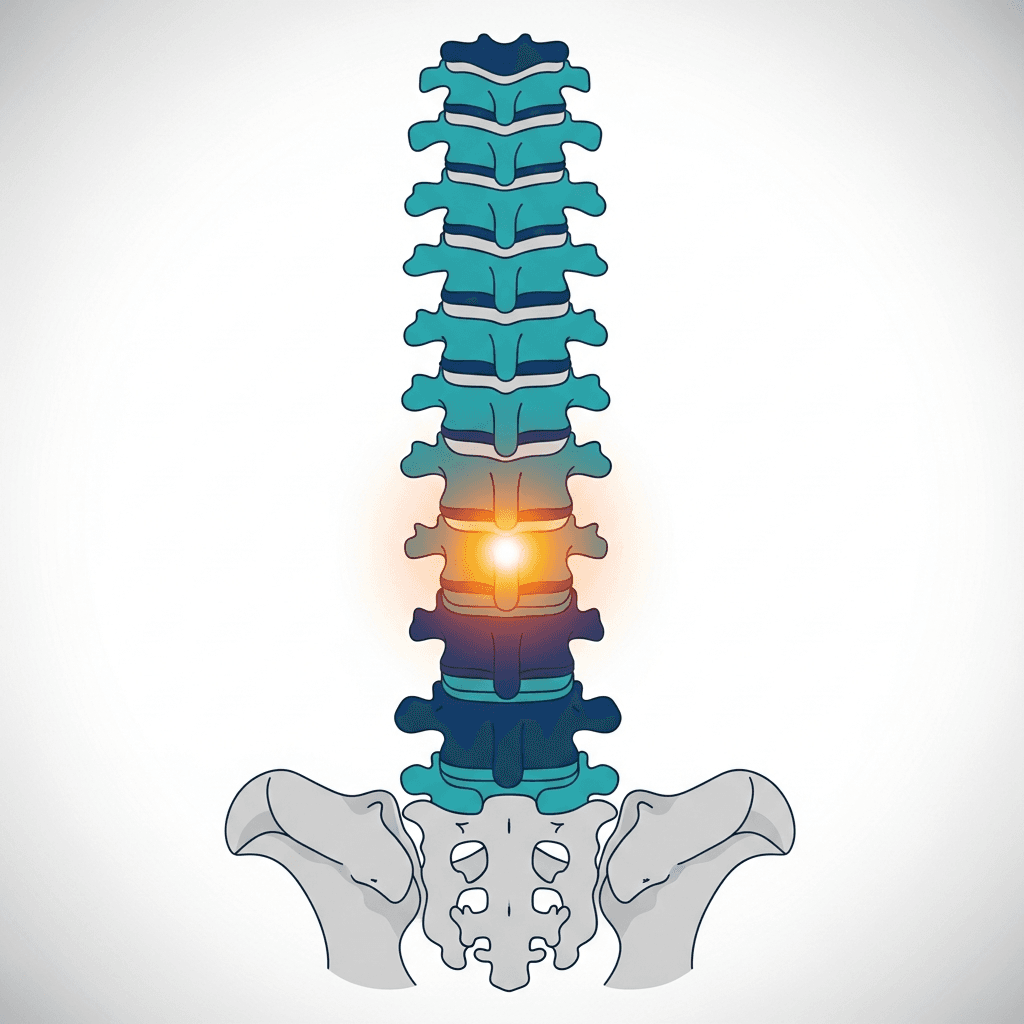
Key Facts
Typical Treatment
Emergency spinal stabilization and immobilization, High-dose corticosteroids, Spinal fusion surgery, Decompression laminectomy, Physical therapy and rehabilitation, Occupational therapy
Recovery Timeline
6 months to 2 years for maximum neurological recovery, with complete injuries requiring lifelong adaptive care and incomplete injuries showing potential for partial recovery
Common Accident Causes
Extreme flexion, extension, or compression of the spine during high-speed collisions and rollover accidents; vertebral fractures or dislocations impinging on the spinal cord.
How This Injury Happens
Spinal cord injuries in vehicle accidents typically occur when sudden deceleration or impact forces cause the spine to hyperextend, hyperflex, or rotate beyond normal limits. The spinal cord can be damaged through direct trauma, compression from bone fragments or herniated discs, or loss of blood supply to neural tissue. High-speed collisions, rollover accidents, and crashes involving ejection create the greatest risk for complete spinal cord injuries.
The cervical spine is most vulnerable to injury due to its mobility and the weight of the head during sudden directional changes. Thoracic and lumbar spinal cord injuries often result from compression fractures when occupants are thrown forward against restraint systems or during roof crush scenarios. The severity of neurological damage depends on the level of injury and whether the spinal cord is completely or incompletely severed.
Common Symptoms
- Loss of movement below injury site (immediate)
- Loss of sensation below injury site (immediate)
- Loss of bowel and bladder control (immediate)
- Difficulty breathing (immediate)
- Spasticity and muscle spasms (delayed)
- Chronic pain and altered sensation (delayed)
- Sexual dysfunction (gradual)
What Insurance Companies Will Try
- !Arguing pre-existing degenerative conditions caused the injury
- !Claiming incomplete documentation of neurological deficits
- !Disputing the mechanism of injury in low-impact accidents
- !Questioning the completeness of the spinal cord injury
- !Attributing symptoms to psychological factors rather than physical damage
Treatment Options
Emergency treatment for suspected spinal cord injuries focuses on preventing further damage through immediate immobilization and transport to a trauma center. Medical teams may administer high-dose corticosteroids within hours of injury to reduce inflammation and secondary damage. Surgical intervention often involves decompression procedures to relieve pressure on the spinal cord and spinal fusion to stabilize damaged vertebrae.
Long-term treatment requires comprehensive rehabilitation involving physical therapy, occupational therapy, and psychological support. Patients with complete injuries typically need extensive adaptive equipment, home modifications, and ongoing medical management for complications such as autonomic dysreflexia, pressure sores, and urinary tract infections. Recovery programs focus on maximizing remaining function and teaching adaptive techniques for daily living activities.
Potential Complications
Spinal cord injuries create lifelong challenges that extend far beyond the initial trauma. Complete injuries result in permanent paralysis below the level of injury, while incomplete injuries may show some recovery but often leave patients with persistent weakness, sensory deficits, and functional limitations. Secondary complications include chronic pain syndromes, spasticity, autonomic dysfunction, and increased risk of cardiovascular disease.
The economic impact includes substantial ongoing medical costs, home modifications, assistive technology, and potential loss of earning capacity. Early comprehensive documentation of neurological deficits is crucial because the extent of permanent impairment directly affects long-term care needs and compensation requirements. Many patients require lifetime attendant care, making accurate prognosis and life care planning essential components of injury claims.