Traumatic Brain Injury
HeadTBI
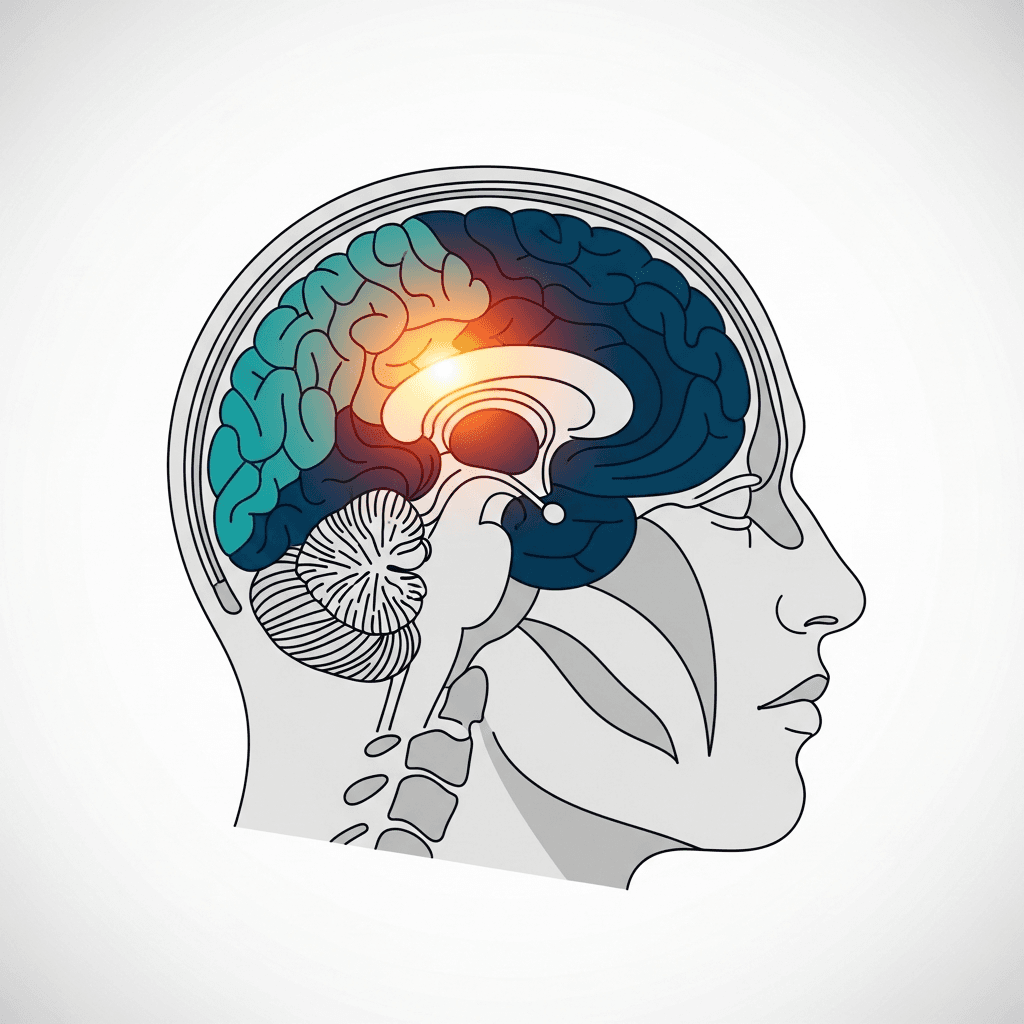
Key Facts
Typical Treatment
Emergency room evaluation and CT/MRI imaging, Neurological monitoring and assessment, Cognitive rehabilitation therapy, Physical and occupational therapy, Speech-language pathology services, Neuropsychological evaluation and treatment
Recovery Timeline
3-6 months for most cases, though severe TBI may require 12-24 months with ongoing therapy and some individuals experience lifelong effects
Common Accident Causes
Severe head impact with vehicle interior, windshield, or external objects during high-speed collisions; violent rotational forces and penetrating debris causing direct brain damage.
How This Injury Happens
Traumatic brain injury in vehicle accidents typically results from rapid acceleration and deceleration forces that cause the brain to move within the skull. During impact, the brain may strike the interior skull surface, creating bruising or bleeding. The sudden motion can also stretch and damage nerve fibers throughout the brain tissue.
Rear-end collisions frequently produce brain injuries even at lower speeds due to whiplash motion that violently moves the head and neck. Side-impact crashes often cause rotational forces that twist brain tissue, while head-on collisions may result in direct head trauma against windows, steering wheels, or deployed airbags. Even when accident victims do not lose consciousness, the forces involved in vehicle crashes can cause microscopic brain damage that manifests as cognitive and physical symptoms days or weeks later.
Common Symptoms
- Headache (immediate)
- Memory problems (immediate)
- Confusion and disorientation (immediate)
- Nausea and vomiting (immediate)
- Sleep disturbances (delayed)
- Mood changes and irritability (delayed)
- Balance and coordination problems (immediate)
What Insurance Companies Will Try
- !Arguing pre-existing cognitive conditions or previous head injuries
- !Claiming symptoms are related to psychological trauma rather than brain injury
- !Disputing the severity of impact based on vehicle damage assessment
- !Challenging neuropsychological test results and their correlation to the accident
- !Suggesting alternative causes for cognitive symptoms like stress or depression
Treatment Options
Medical treatment for traumatic brain injury typically begins with emergency evaluation to assess the extent of brain damage through imaging studies like CT scans or MRIs. Healthcare providers monitor patients for signs of increased intracranial pressure and may prescribe medications to manage symptoms like headaches or seizures. Severe cases often require hospitalization for neurological monitoring and intensive care.
Rehabilitation represents a crucial component of brain injury treatment, often involving a multidisciplinary team approach. Cognitive rehabilitation therapy helps accident victims relearn thinking skills and develop strategies to compensate for memory problems. Physical and occupational therapists address balance, coordination, and daily living skills, while speech-language pathologists work with patients experiencing communication difficulties. Neuropsychological services provide ongoing assessment and treatment for emotional and behavioral changes that commonly accompany brain injuries.
Potential Complications
Long-term complications from traumatic brain injury can significantly impact accident victims' quality of life and ability to work. Post-concussion syndrome may develop when symptoms persist beyond the typical recovery period, causing ongoing headaches, cognitive difficulties, and emotional changes. Some individuals experience permanent memory problems, difficulty concentrating, or changes in personality that affect relationships and employment.
Secondary complications may emerge months or years after the initial injury, including increased risk of seizures, chronic headaches, and early-onset dementia. These delayed effects underscore the importance of comprehensive medical documentation immediately following an accident, as insurance companies often dispute the connection between long-term symptoms and the original trauma. Early neurological evaluation and ongoing monitoring help establish the medical foundation necessary to demonstrate the full extent of brain injury impacts in legal proceedings.