Whiplash
NeckCervical strain
Key Facts
Typical Treatment
Physical therapy, Pain management medication, Chiropractic care, Muscle relaxants, Massage therapy, Cervical collar immobilization
Recovery Timeline
3-6 months for mild cases, 12+ months for severe cases with potential chronic symptoms
Common Accident Causes
Rear-end collisions causing rapid head movement, side-impact crashes, and high-speed stops.
How This Injury Happens
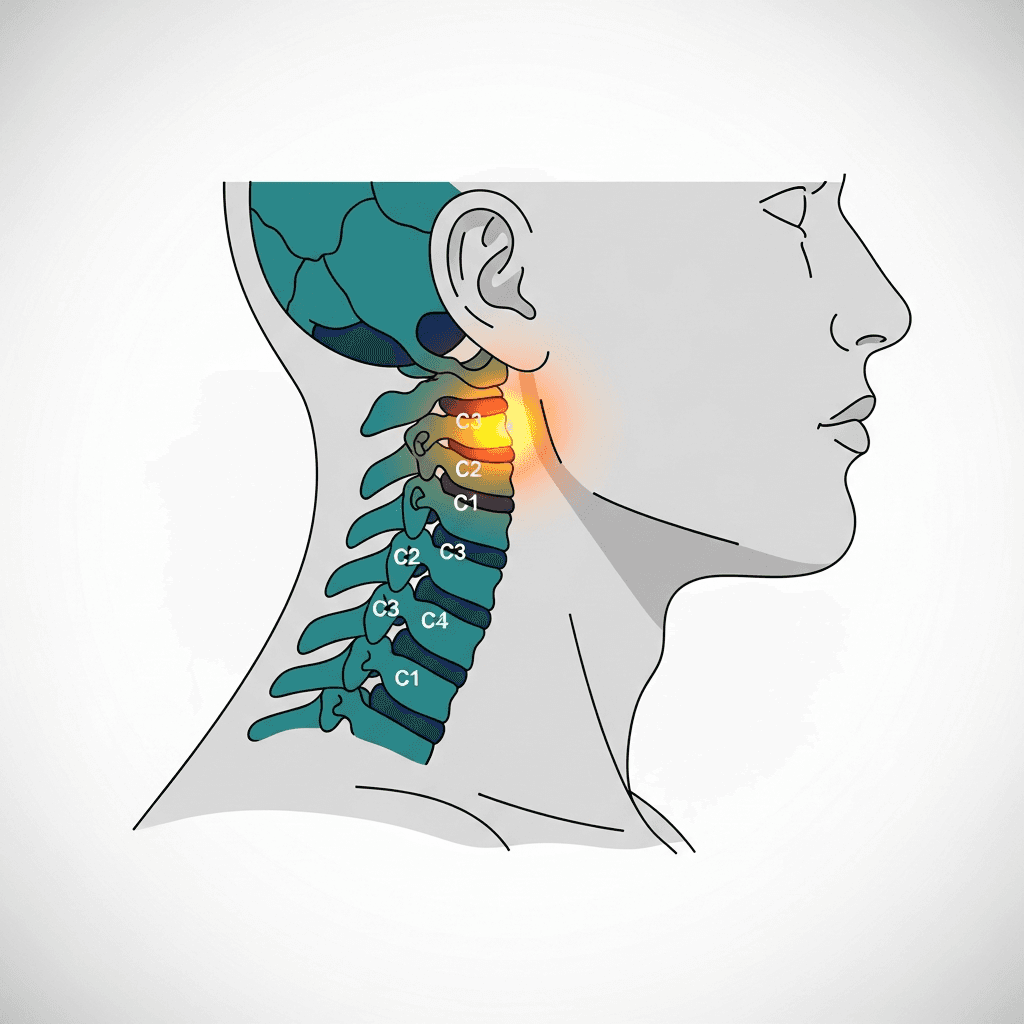
Whiplash injuries occur when a vehicle collision causes the occupant's head and neck to move in a rapid back-and-forth motion resembling a whip's crack. This commonly happens in rear-end collisions when the struck vehicle suddenly accelerates forward, causing the occupant's body to move with the seat while the head initially remains stationary due to inertia. The head then snaps backward (hyperextension) before rebounding forward (hyperflexion).
This violent motion stretches and tears the soft tissues, muscles, tendons, and ligaments in the neck beyond their normal range. The cervical spine's natural curves can become strained, and the supporting structures that normally stabilize the head and neck become damaged. Even seemingly minor collisions can generate sufficient force to cause whiplash, as the injury depends more on the sudden acceleration and deceleration forces than the overall severity of the vehicle damage.
Common Symptoms
- Neck pain and stiffness (immediate)
- Headaches starting at skull base (delayed)
- Reduced range of neck motion (immediate)
- Dizziness (delayed)
- Fatigue (gradual)
- Memory problems (delayed)
- Irritability and confusion (delayed)
What Insurance Companies Will Try
- !Arguing pre-existing neck conditions caused symptoms
- !Claiming delayed symptom reporting indicates fabrication
- !Minimizing soft tissue injuries as minor strains
- !Questioning lack of visible vehicle damage
- !Challenging medical necessity of extended treatment
Treatment Options
Medical professionals typically begin whiplash treatment with conservative approaches focused on pain management and mobility restoration. Initial treatment often includes prescription pain medications, muscle relaxants, and anti-inflammatory drugs to reduce discomfort and swelling. Healthcare providers may recommend a brief period of cervical collar use, though extended immobilization is generally avoided to prevent muscle weakness.
Physical therapy plays a central role in whiplash recovery, with therapists designing exercise programs to restore neck strength, flexibility, and range of motion. Treatment may include manual therapy, heat and ice applications, electrical stimulation, and graduated exercise programs. Chiropractic care, massage therapy, and trigger point injections are additional treatment modalities that medical professionals may incorporate into comprehensive treatment plans.
Potential Complications
While many whiplash cases resolve within several months, some accident victims develop chronic symptoms that persist for years or become permanent. Long-term complications can include persistent neck pain, recurring headaches, reduced cervical range of motion, and increased susceptibility to future neck injuries due to weakened supporting structures. Some individuals experience chronic fatigue, memory difficulties, and concentration problems that significantly impact their daily functioning and work capacity.
Early and thorough medical documentation becomes crucial because whiplash symptoms often develop gradually over days or weeks following the accident. Insurance companies frequently challenge whiplash claims due to the injury's subjective nature and delayed symptom onset. Comprehensive medical records showing consistent treatment, objective findings, and functional limitations help establish the legitimacy and severity of the injury for legal purposes.